Click here for COLD SEEPS

| HYDROTHERMAL VENTS Click here for COLD SEEPS |
Return to my MAIN DEEP-SEA PAGE for CONTENTS
(or use pull-down menu, below)
|
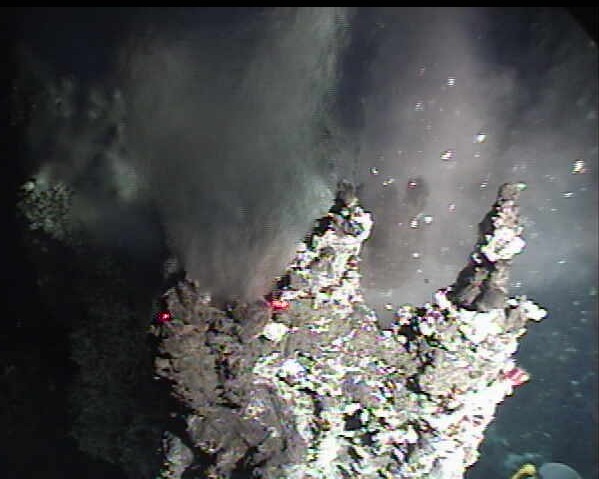
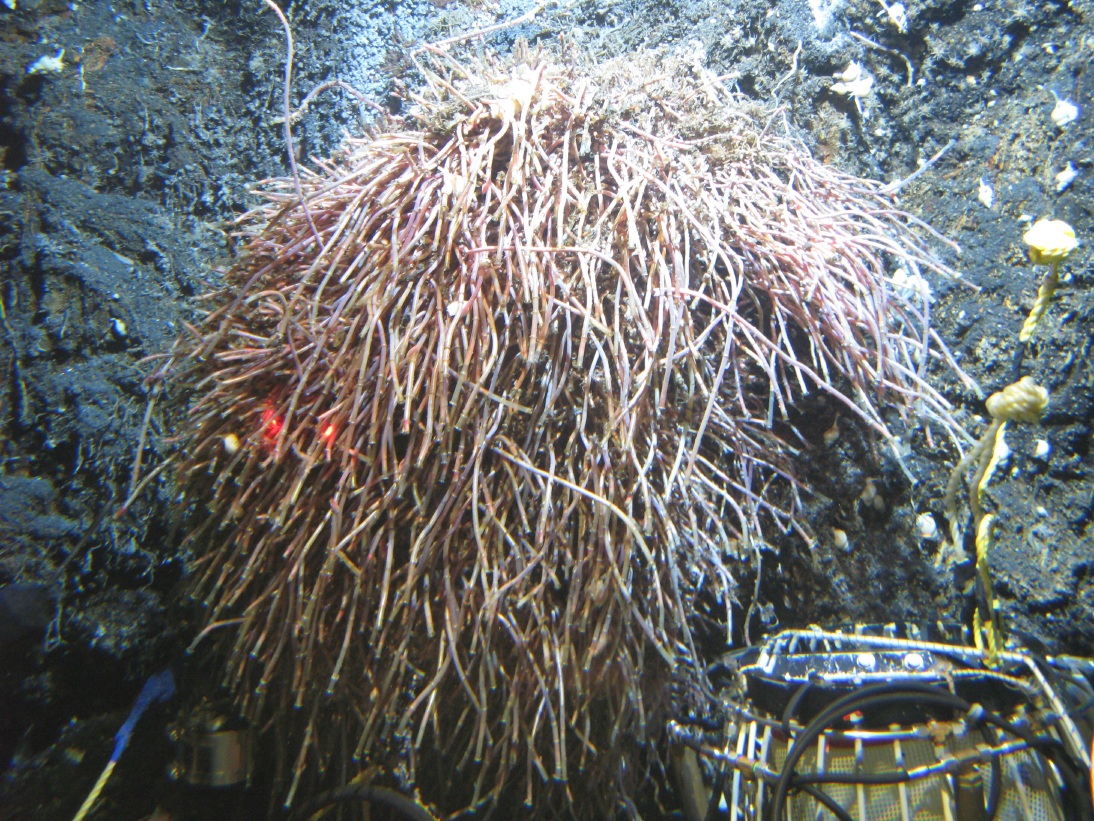
| Vent chimneys with tubeworms on the Juan de Fuca Ridge. The tops of the chimneys are too hot for animals. 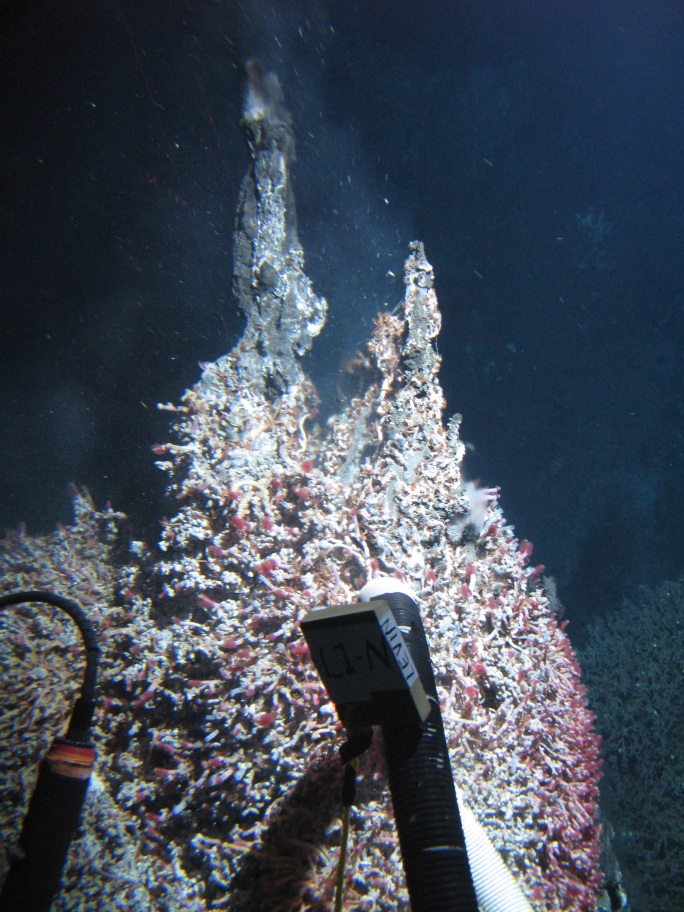 |
OVERVIEW Hydrothermal Vents are oceanic hot springs in volcanically active areas; they are mostly deep and along the midocean ridges in the rift valleys that form from seafloor spreading (but sometimes they are shallow, e.g., near Iceland or volcanic islands in the Mediterranean. The Mid-Atlantic Ridge emerges above sealevel in Iceland, where there are hot springs and geysers instead of hydrothermal vents). At the deep-sea vents, hot (up to 400C) mineral-laden water provides abundant energy, mostly as H2S (rotten-egg-smelling hydrogen sulfide). Bacteria and archaea use H2S for energy, forming the basis of the food chain. Vesicomyid clams, mussels and vestimentiferan tubeworms with symbionts are found here (relatives of those found at cold seeps). The microbes use a process called chemosynthesis (see ONR site for more information). Limpets, snails and other worms graze on microbial mats and filaments. Fish, octopods and crabs are carnivores and scavengers. Our studies are on adaptation of vent animals to high pressure and toxic sulfide. We have used specimens provided by Drs. G. Somero (Stanford), C. Fisher (Penn State), R. Lee (WSU), C. Van Dover (William and Mary); and 2007/2008 specimens collected by me and colleagues on the Juan de Fuca Ridge off Washington State in Alvin studies lead by Dr. Ray Lee of Washington State University. |
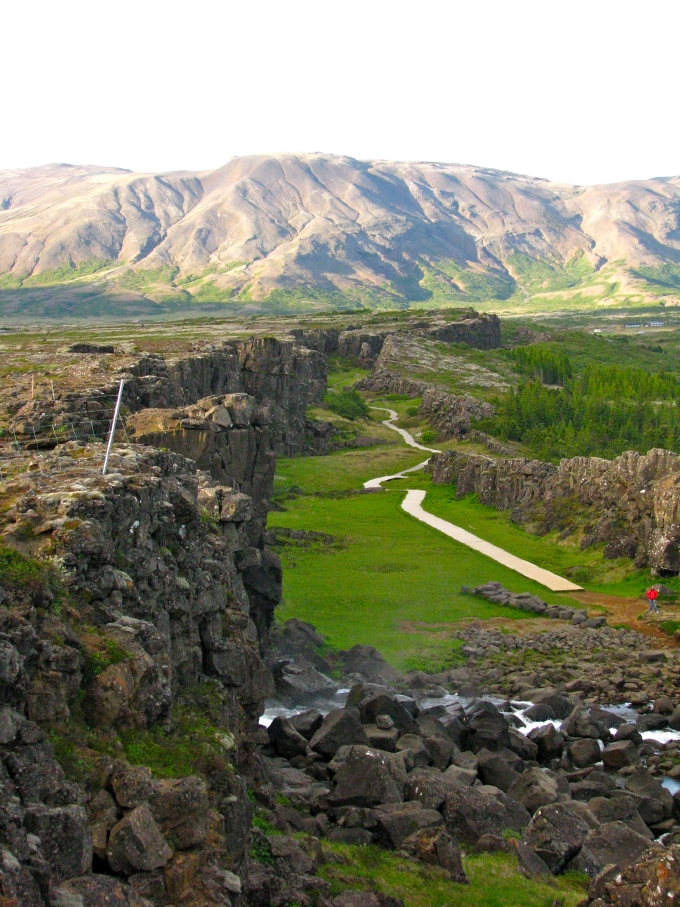 The Mid-Atlantic Ridge rift valley above sealevel in Iceland. The left side is headed towards North America, the right side towards Europe Photo by Carrie Laxson |
|
On this PAGE --> |
A. Juan de Fuca Vents
(2007-08) |
| A. JUAN de FUCA Ridge--Endeavour Segment: our 2007 & 2008 expeditions led by Drs. Ray Lee (Wash. State Univ.) and Peter Girguis (Harvard) with the ALVIN aboard the R/V Atlantis. Click here for a NOAA map of the Ridge |
Locations on the Ridge: |
||
4. Rift Valley floor (Endeavour) |
 |
 |
 |
 |
 |
 |
 |
 |
|
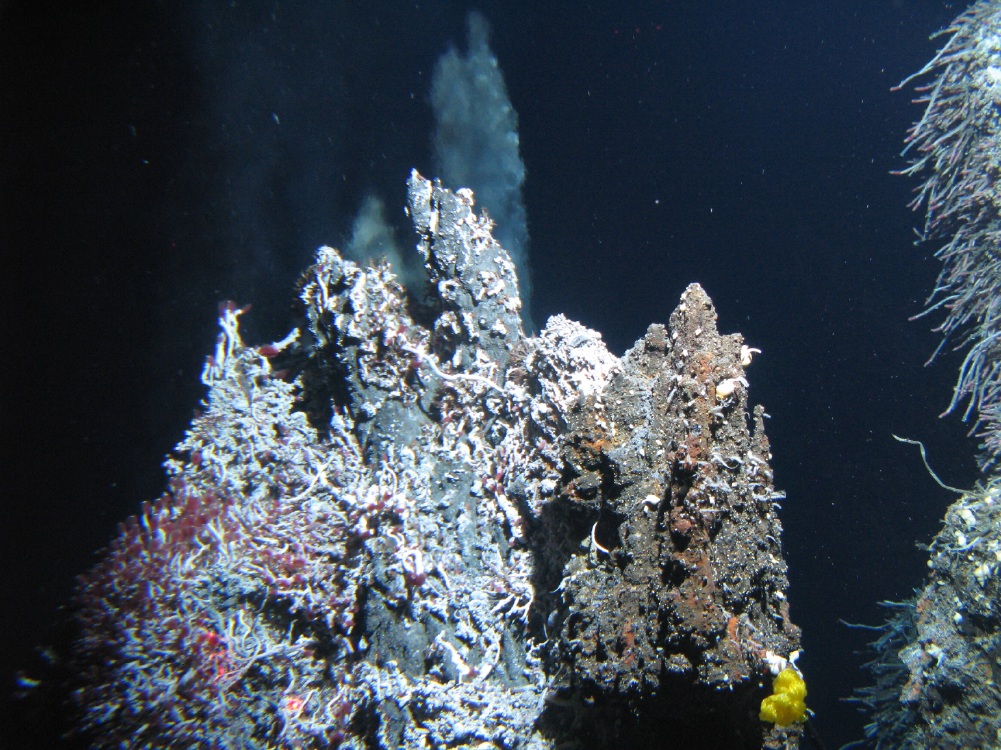
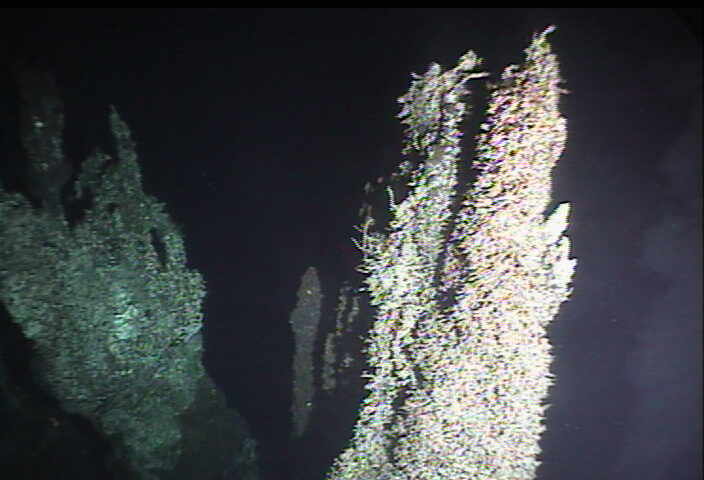
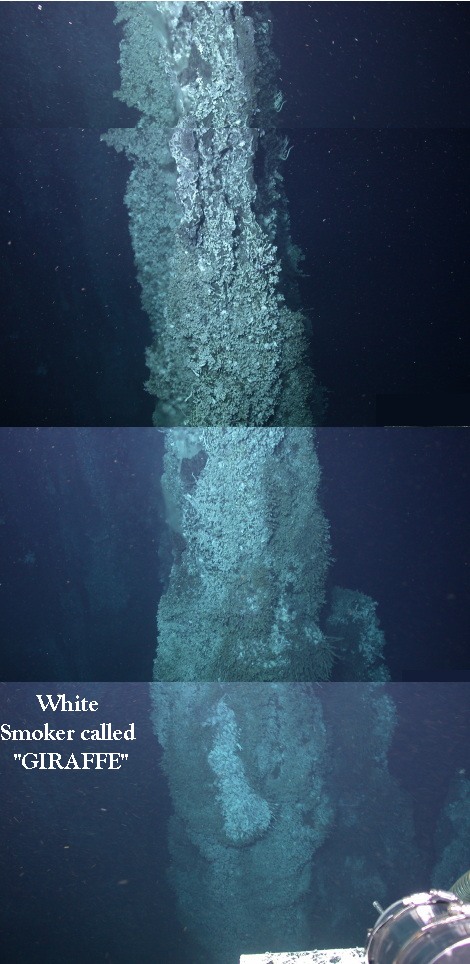
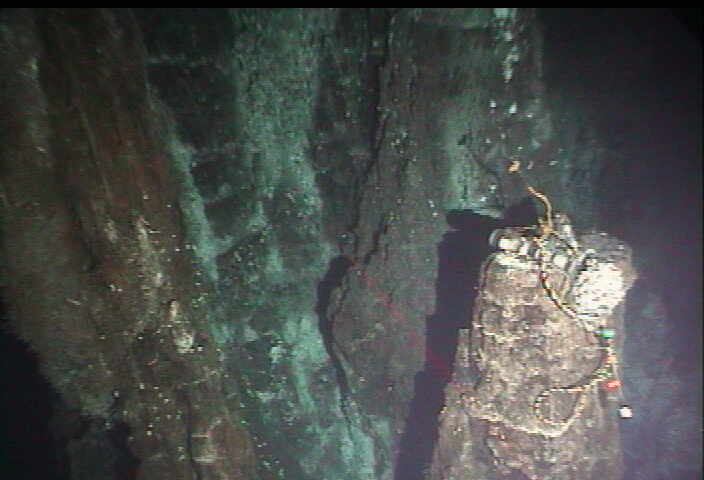
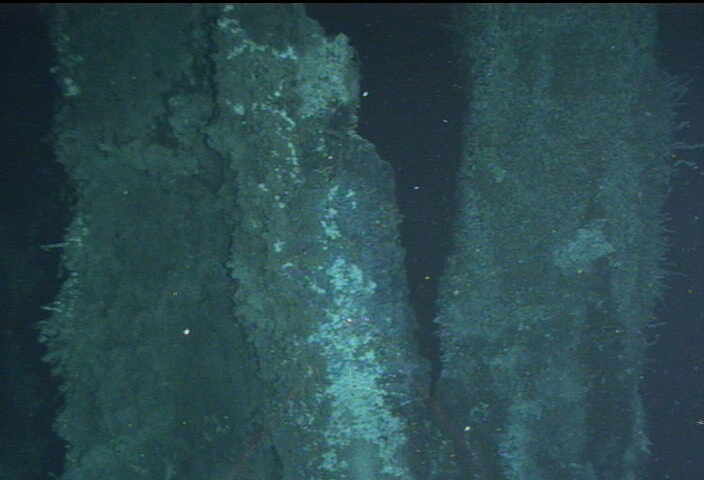
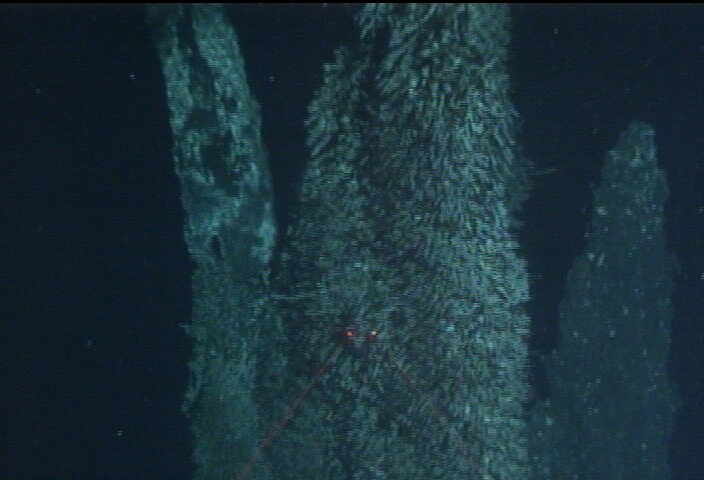
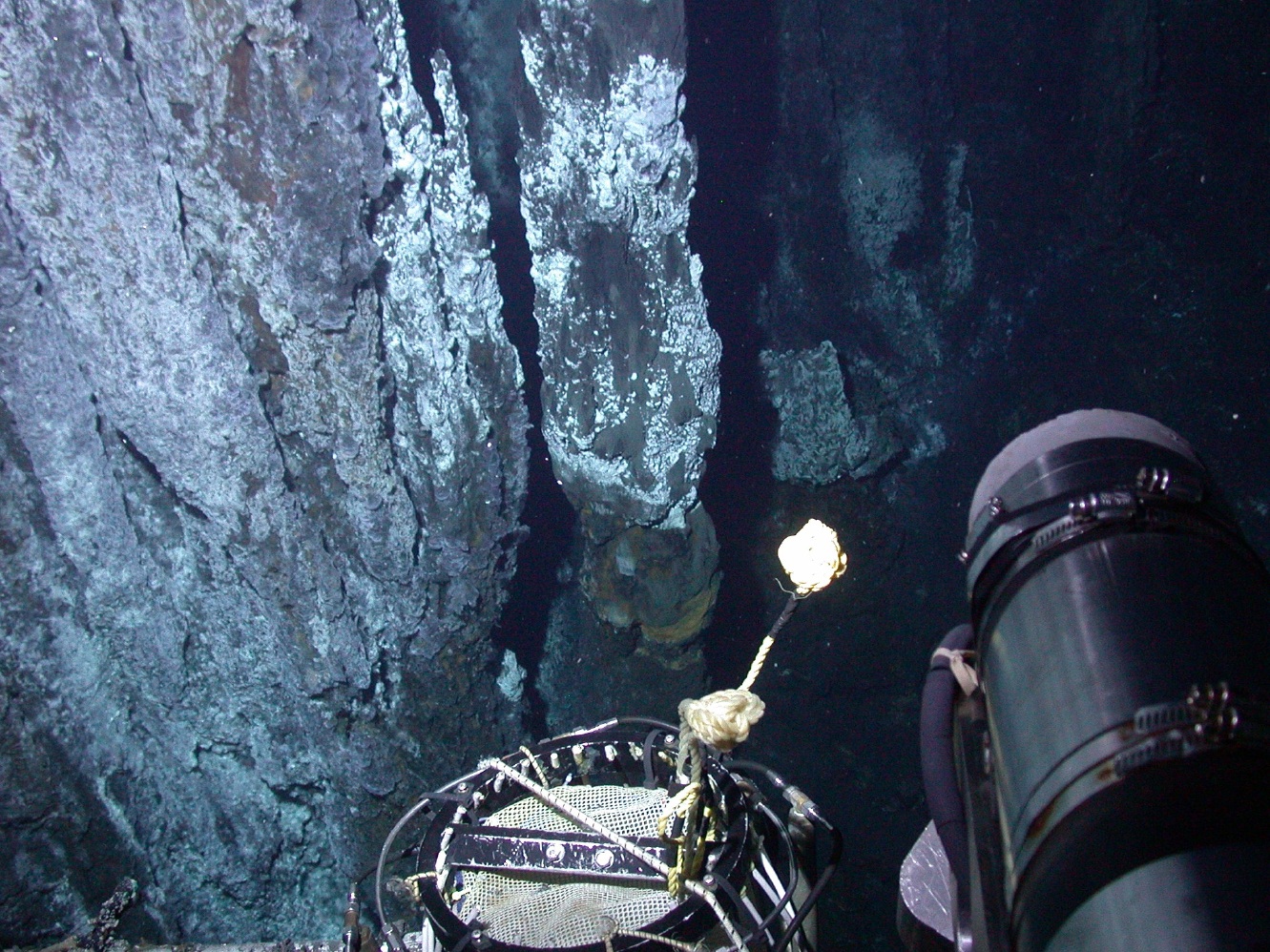
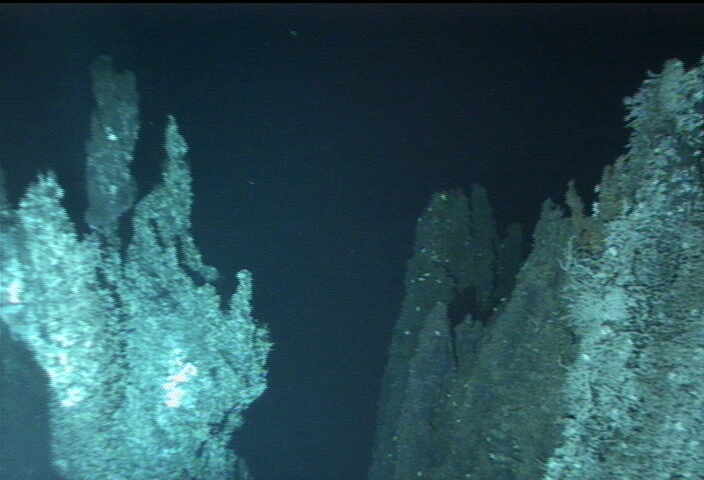
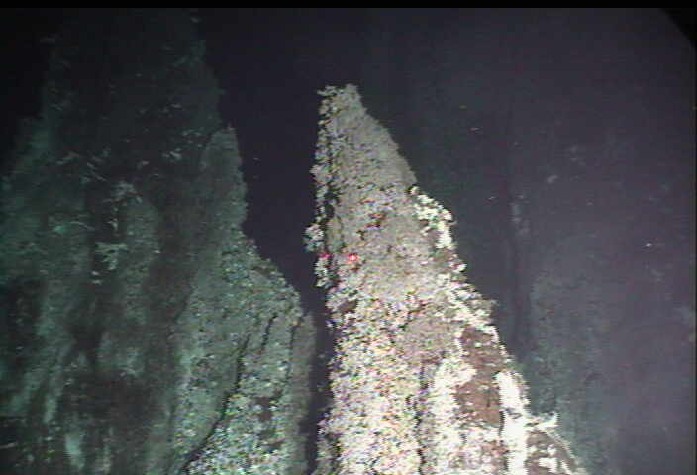
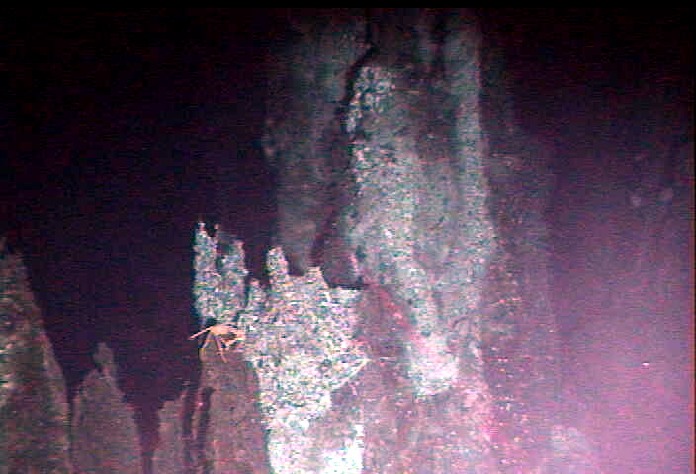
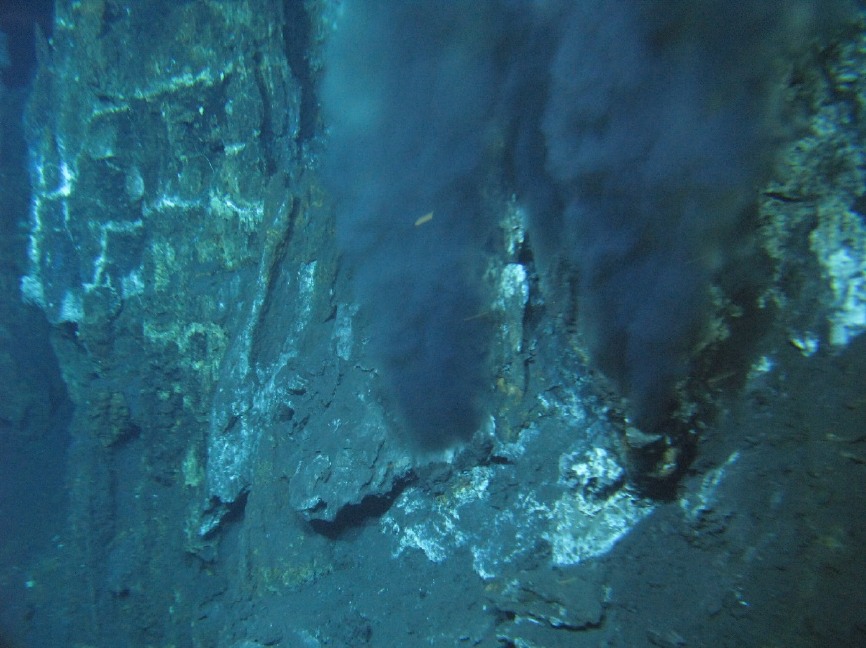
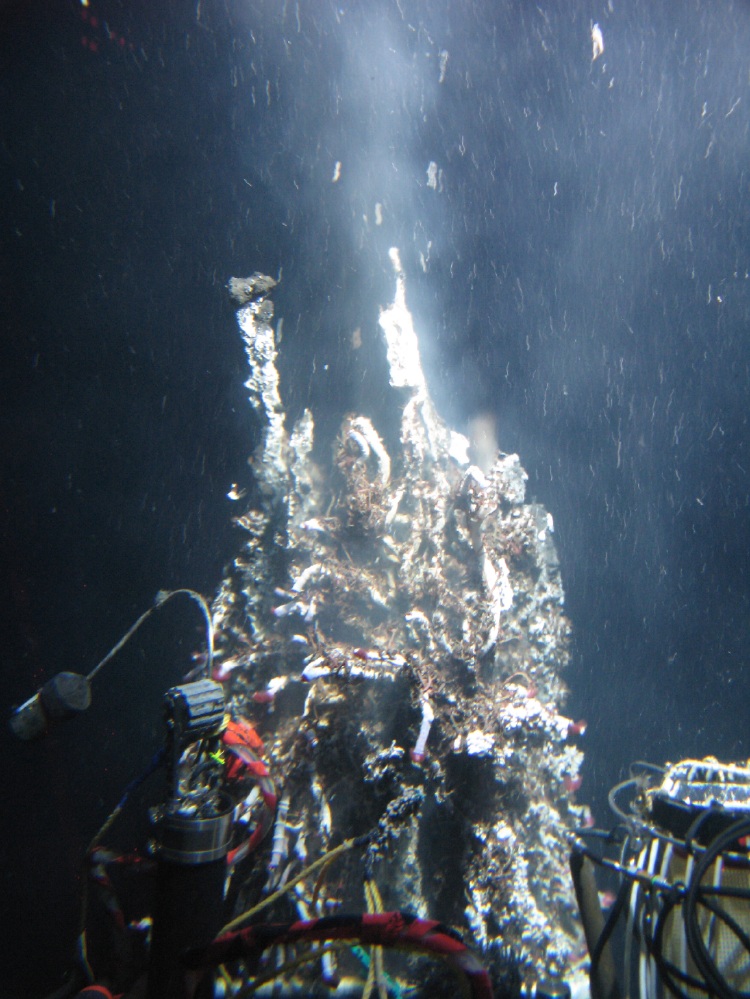
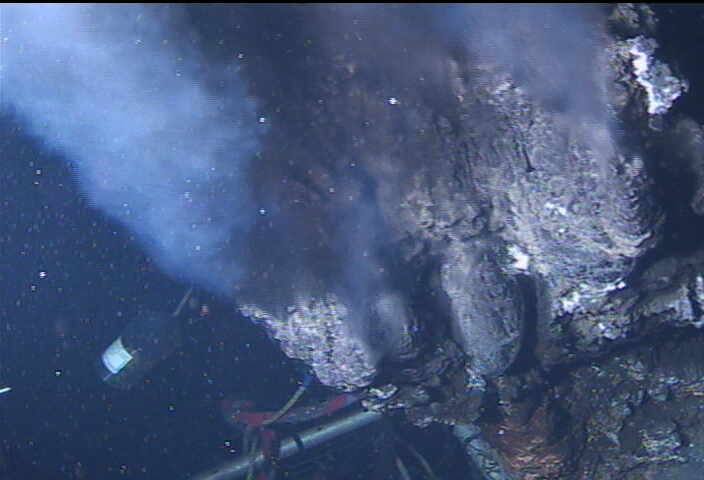
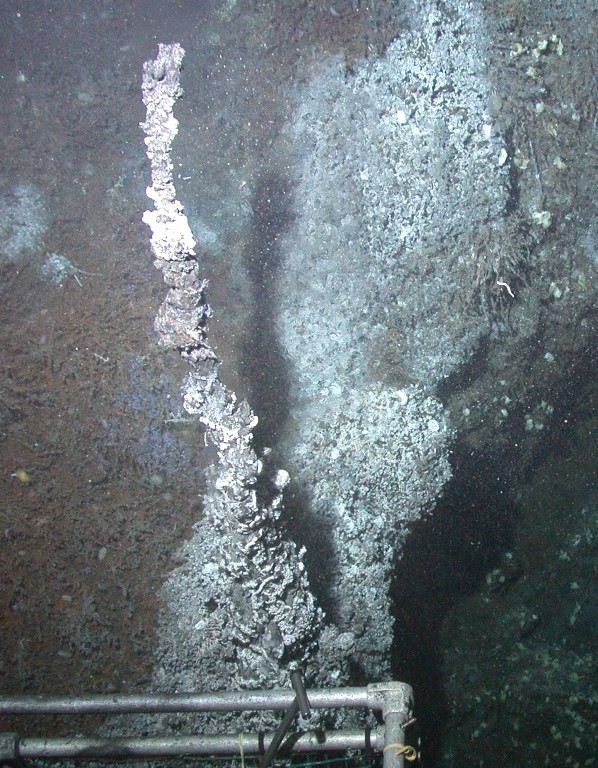
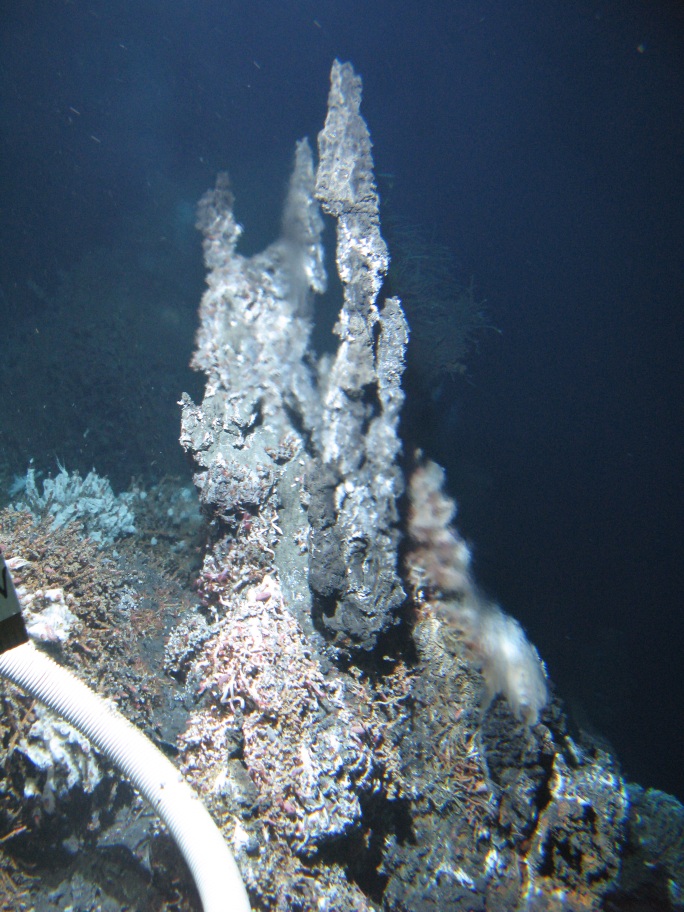
ABOVE: Chimneys/smokers at Faulty Towers (with names
like Roane, Giraffe, etc). Note that ROANE (5th image, top) was decapitated
by UW in 1998 for analysis of microbial life (it is now on display in
the Amer. Museum of Natl. history). |
|||||||
 |
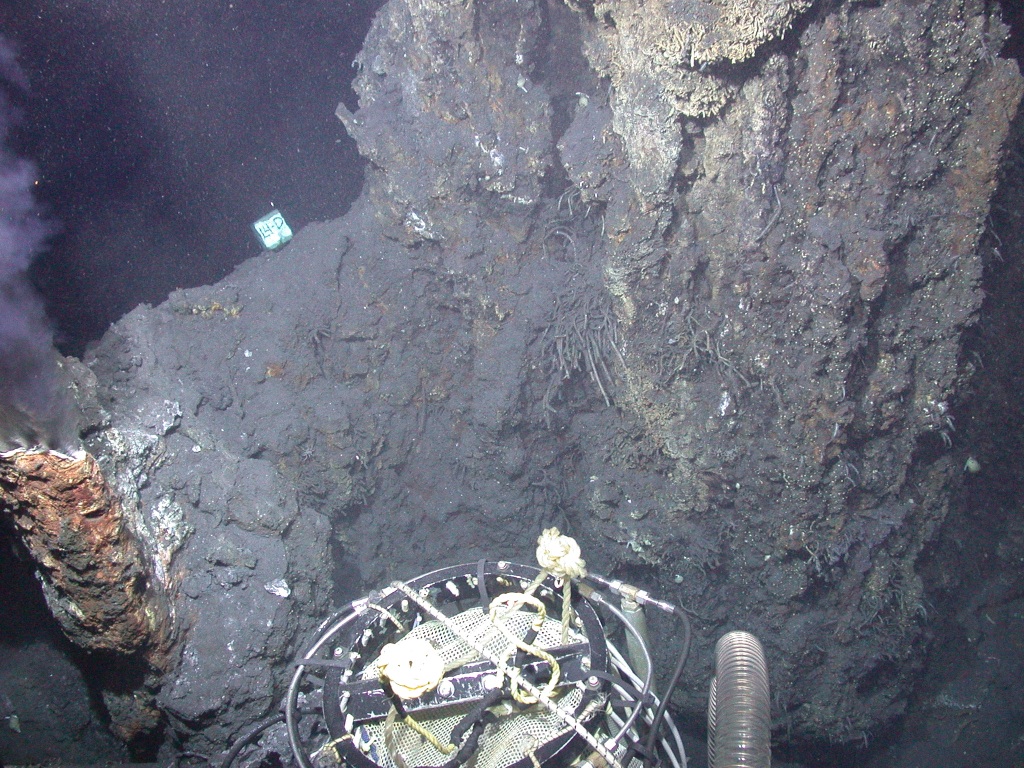 |
RIGHT: more towers |
 |
 |
 |
 |
 |
 |
 |
 |
 |
 |
 |
 |
 |
|
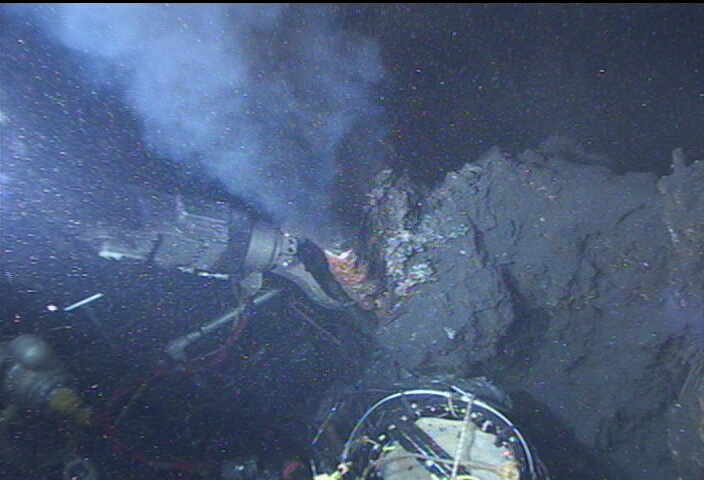
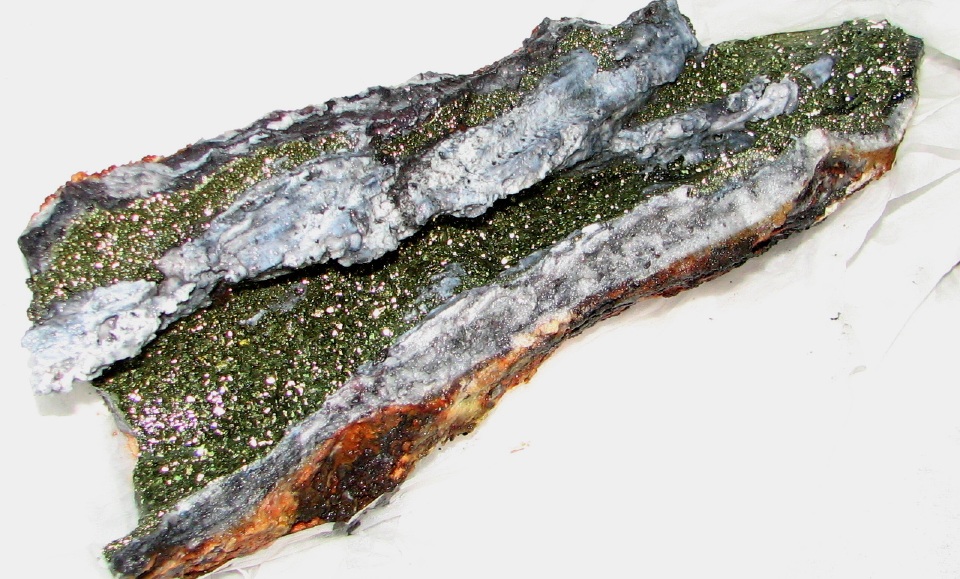
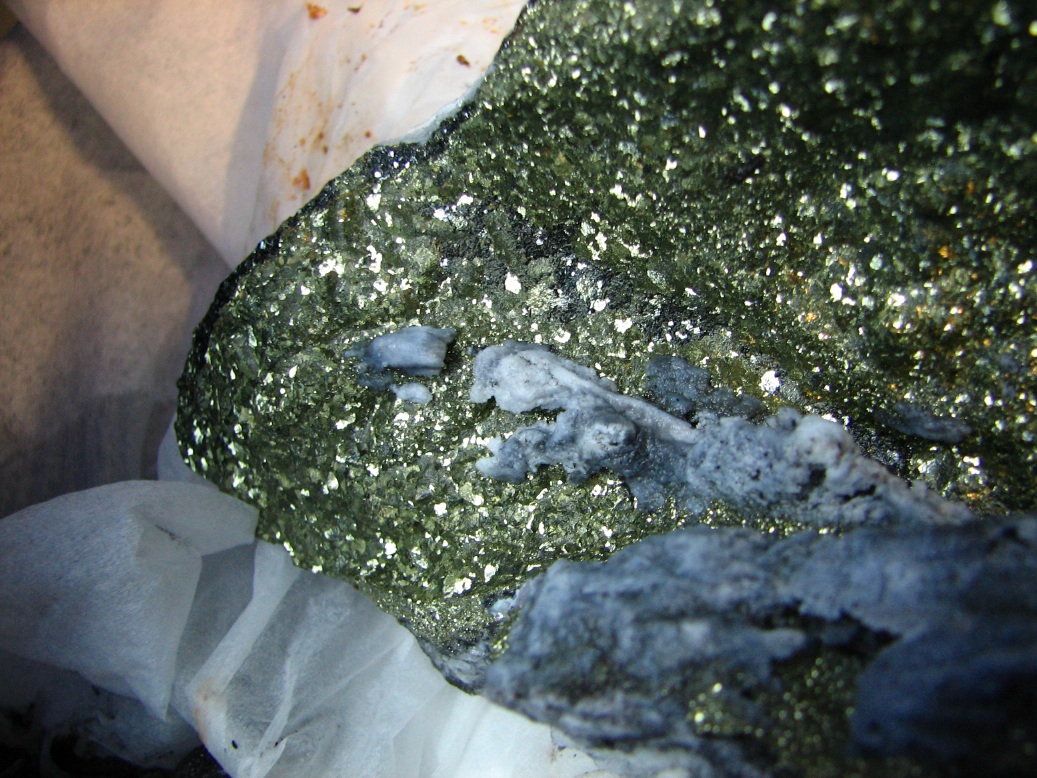
FAR ABOVE: a smoker chimney being collected with Alvin
claw; JUST ABOVE: the chimney on the ship, broken open to reveal lining
of IRON PYRITE (Fool's Gold) crystals |
ABOVE: Black and white smokers |
||||||
 |
 |
 |
 |
 |
 |
 |
 |
|
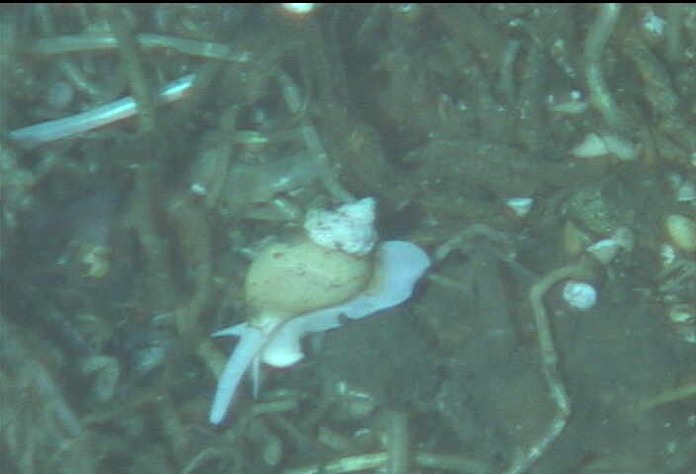
Vent snails B. thermophilus |
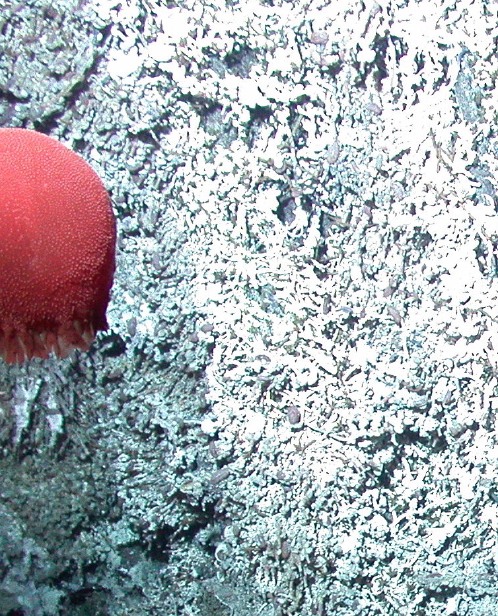
Unidentified jelly! |
Crab on tower |
Snails on tower |
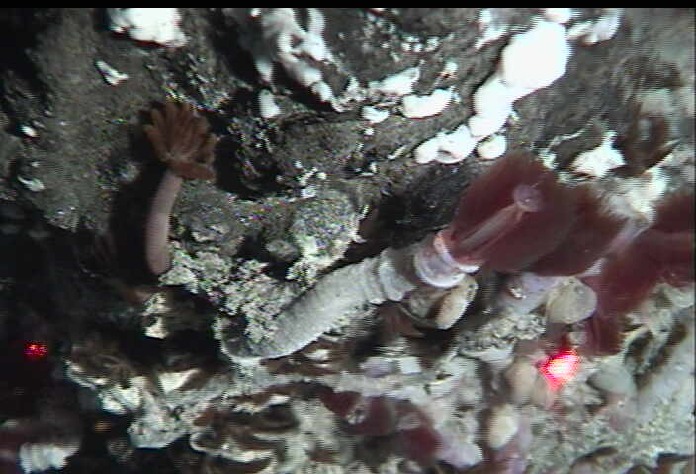
P. sulfincola; Ridgeia |
Ridgeia close-up |
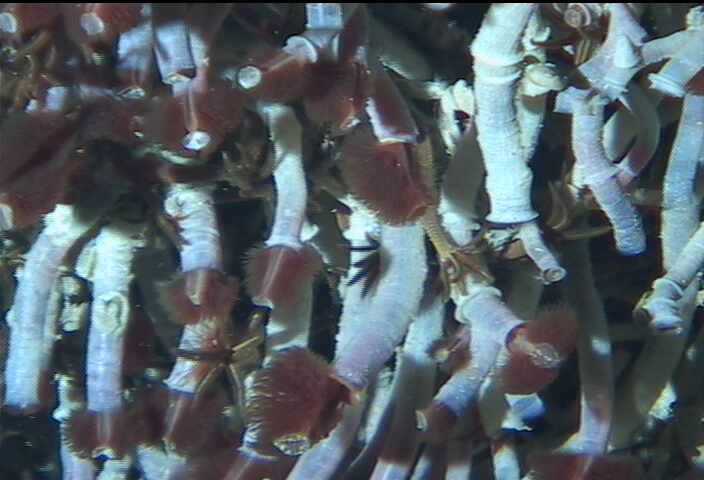
Ridgeia "bush" |
|
RETURN TO TOP
2. MAIN ENDEAVOUR Site of the Ridge;
2.2 km deep; HULK
and DANTE edifices; also CLAMBED
site north of Main
 |
 |
 |
 |
 |
 |
 |
|
 |
|
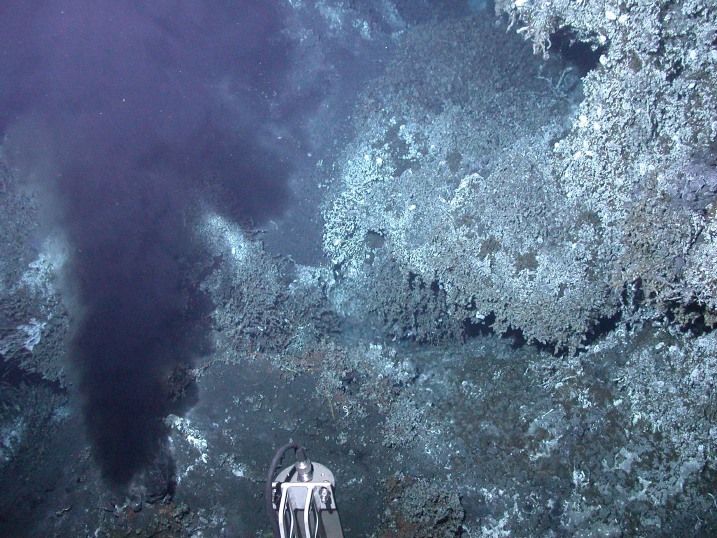
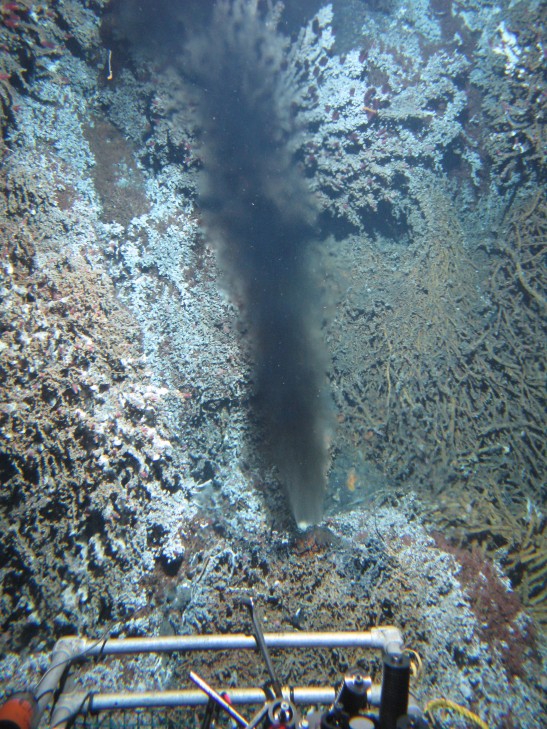
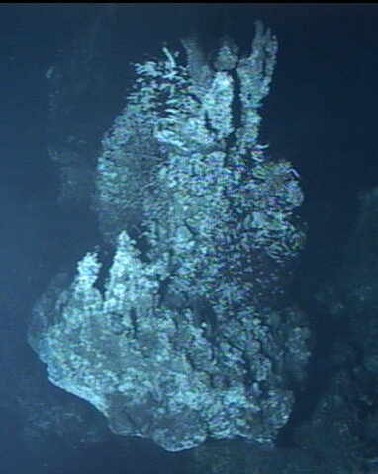
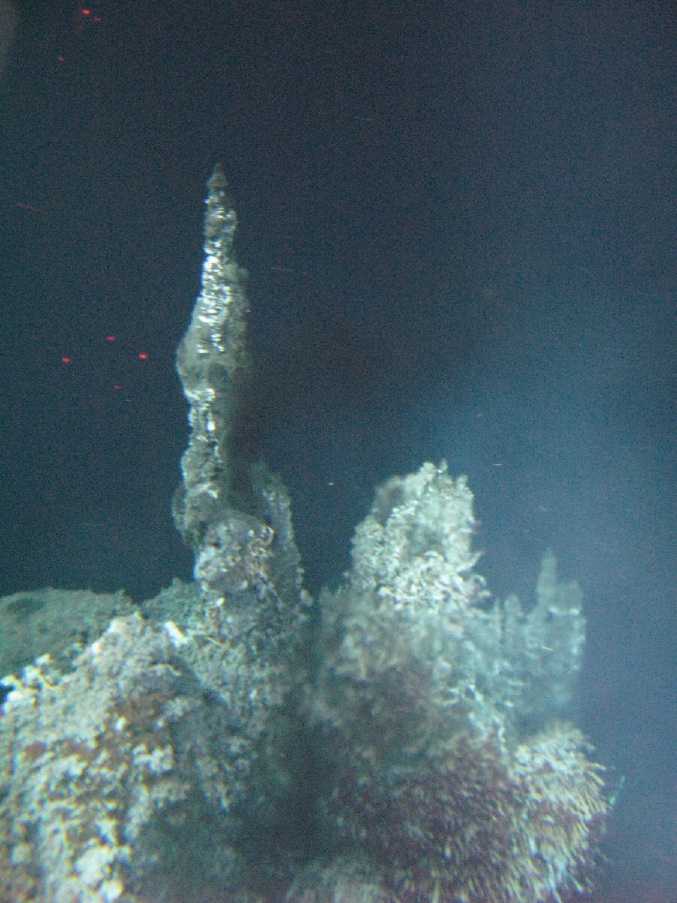
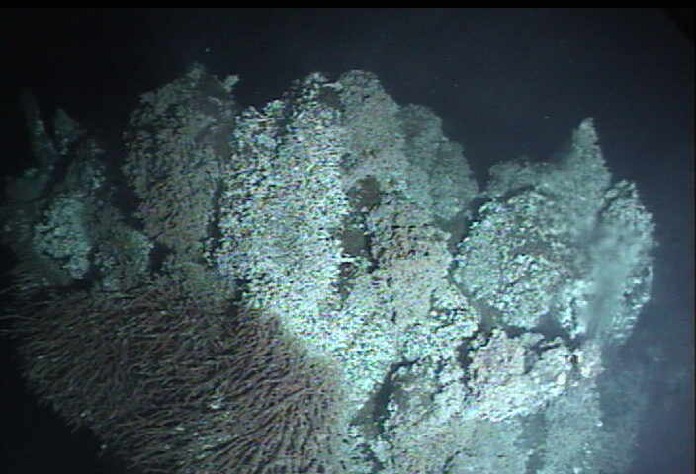
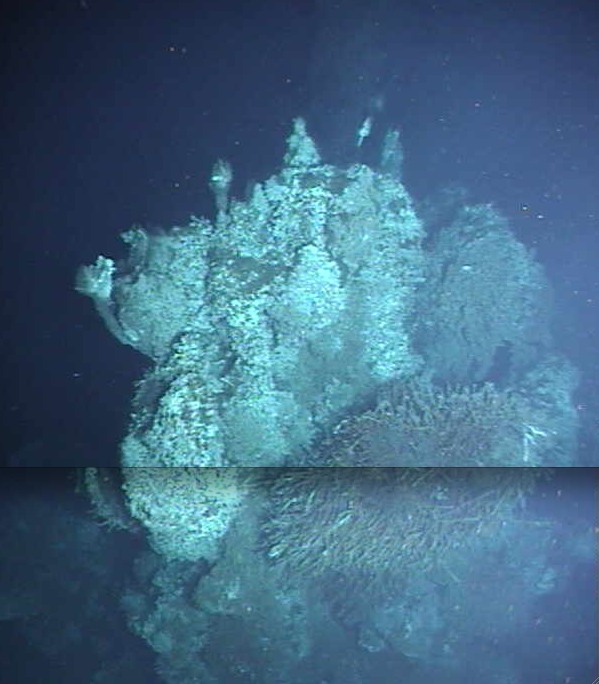
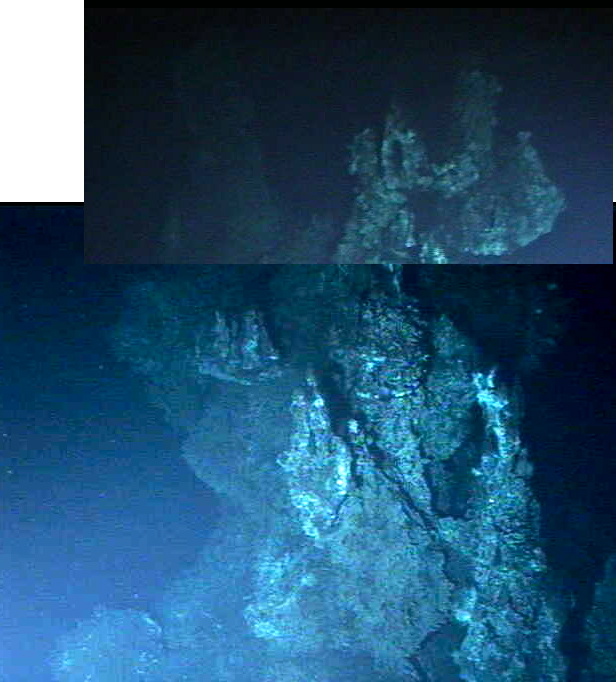
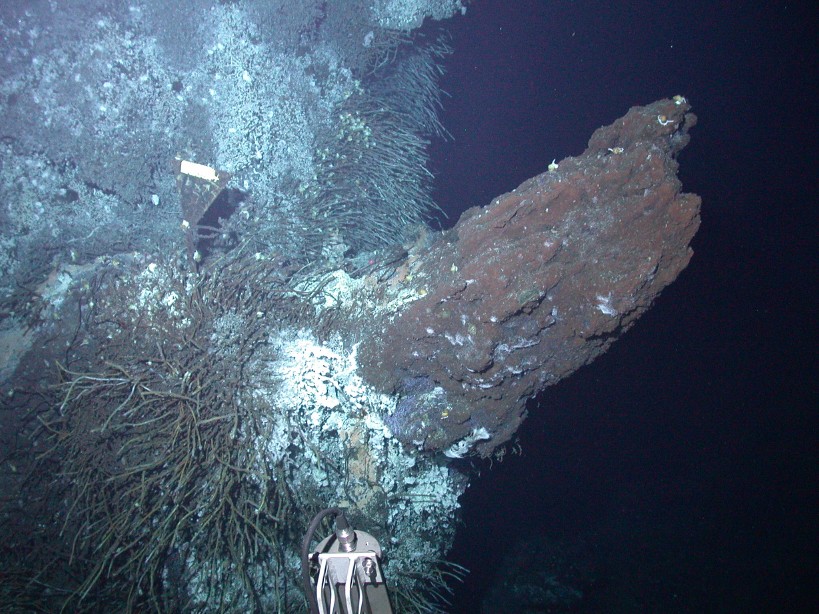
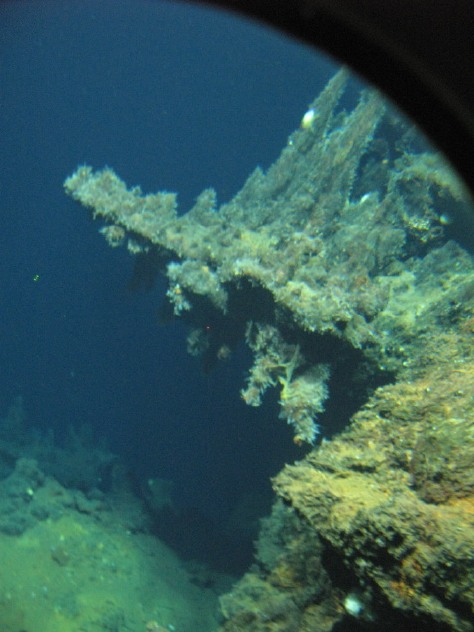
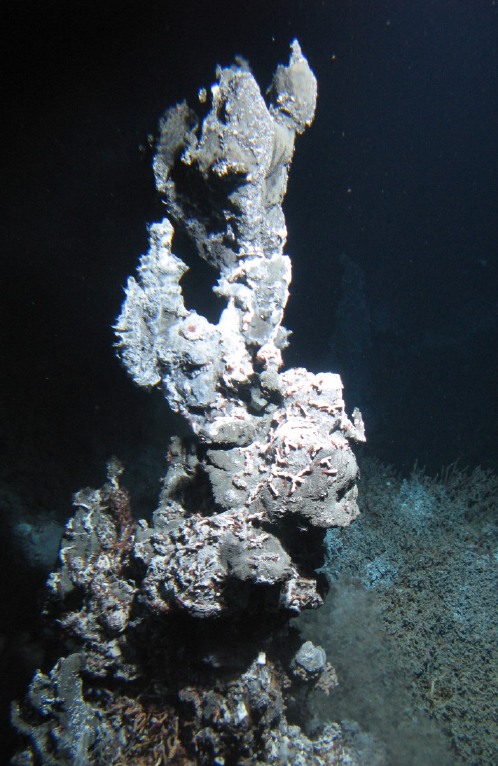
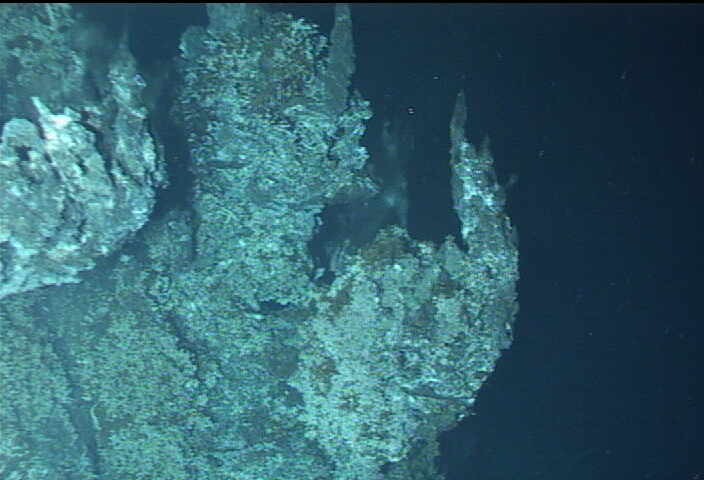
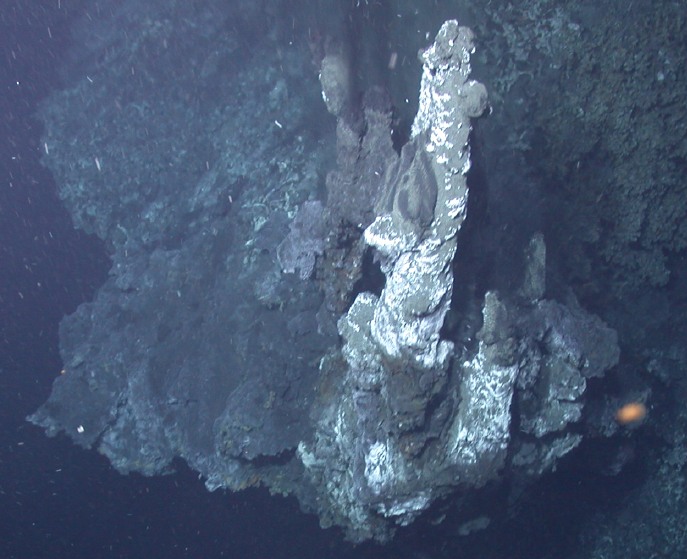
White and black smoker chimneys, some with tubeworms
(most at DANTE formation)
|
||||||||
 |
 |
 |
 |
 |
 |
 |
 |
 |
|
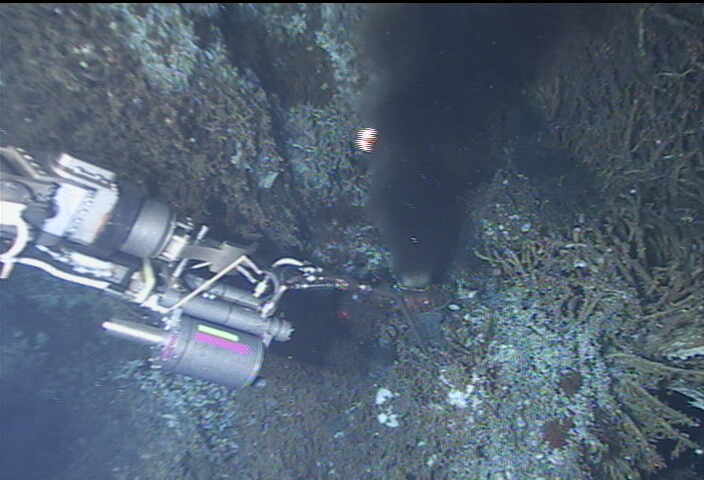
Alvin sampling black smoker water |
HULK formation |
More smoker formations (Dante)
|
||||||
 |
 |
 |
 |
 |
 |
 |
 |
|
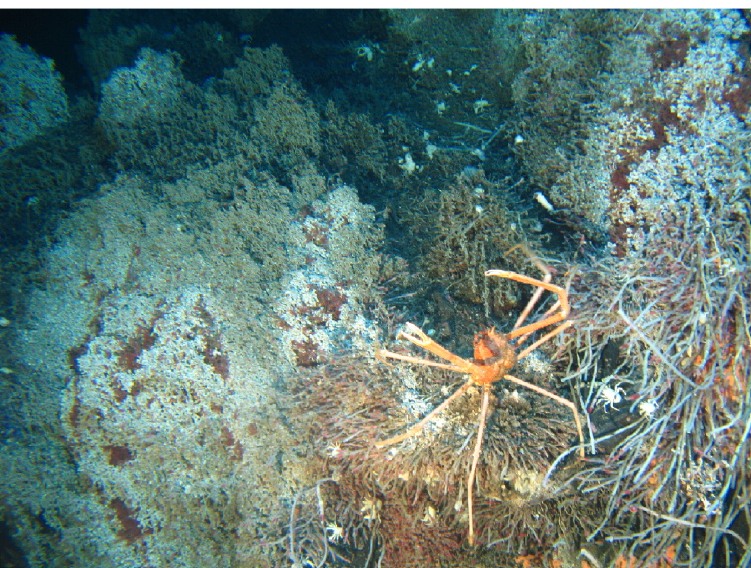
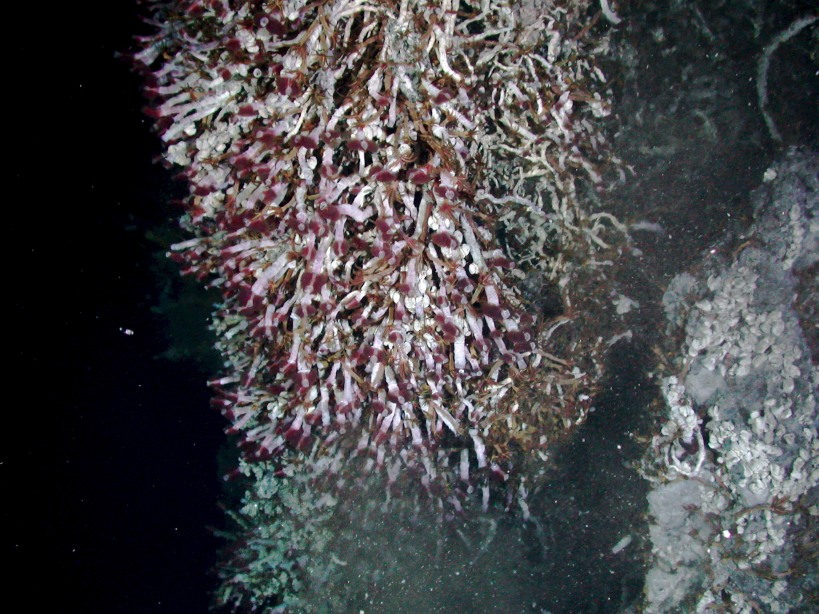
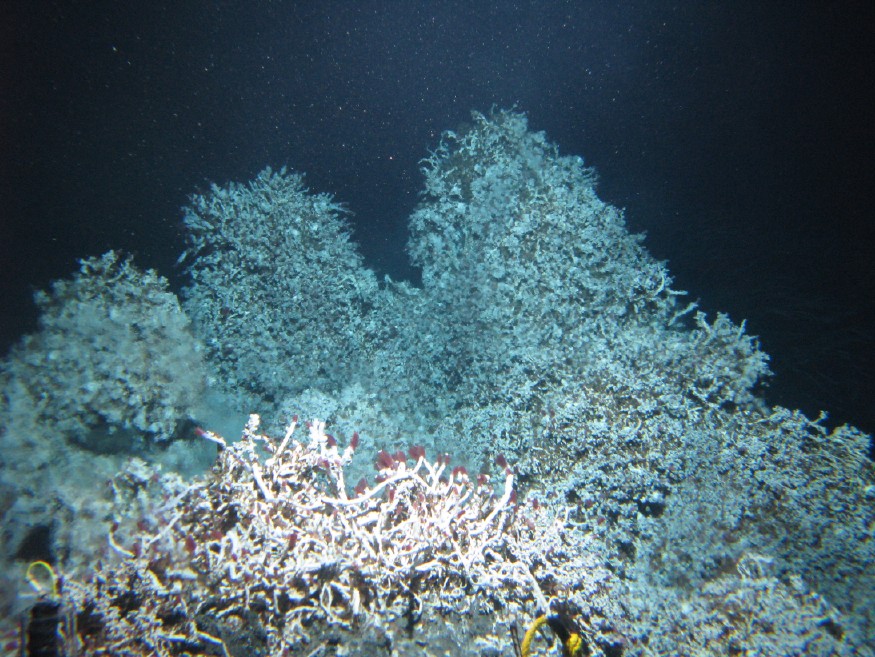
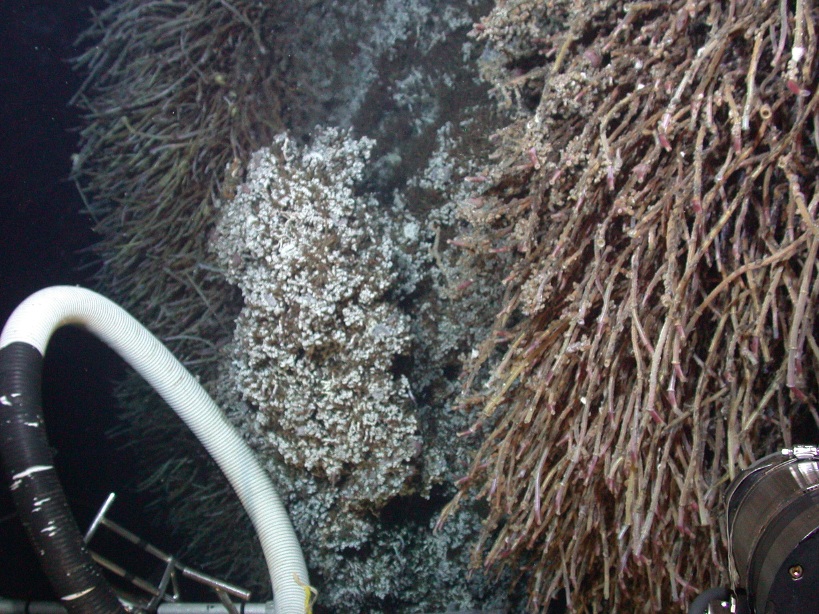
Carb, orange mat, tubeworms |
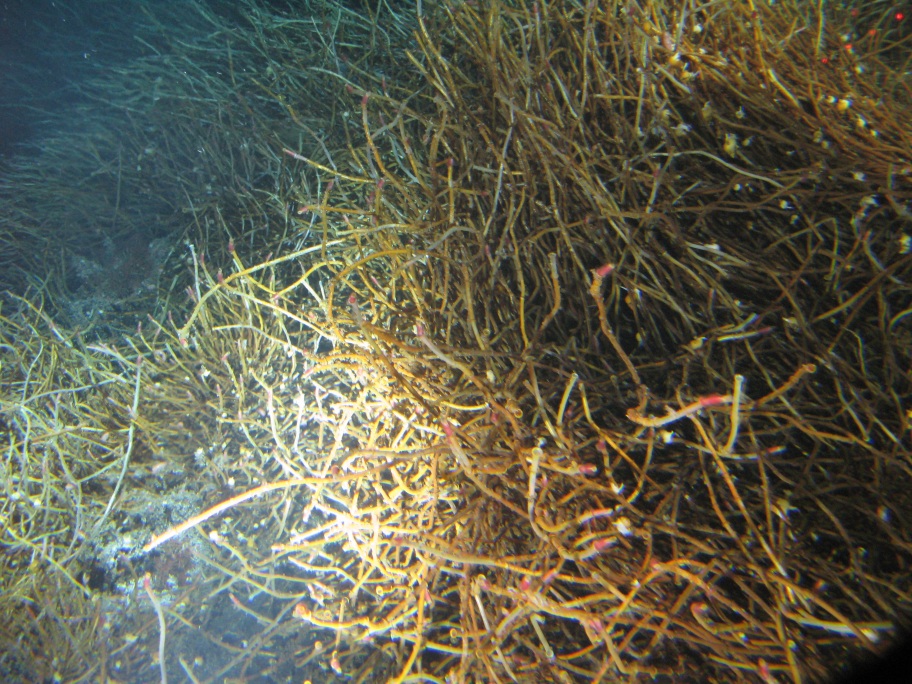
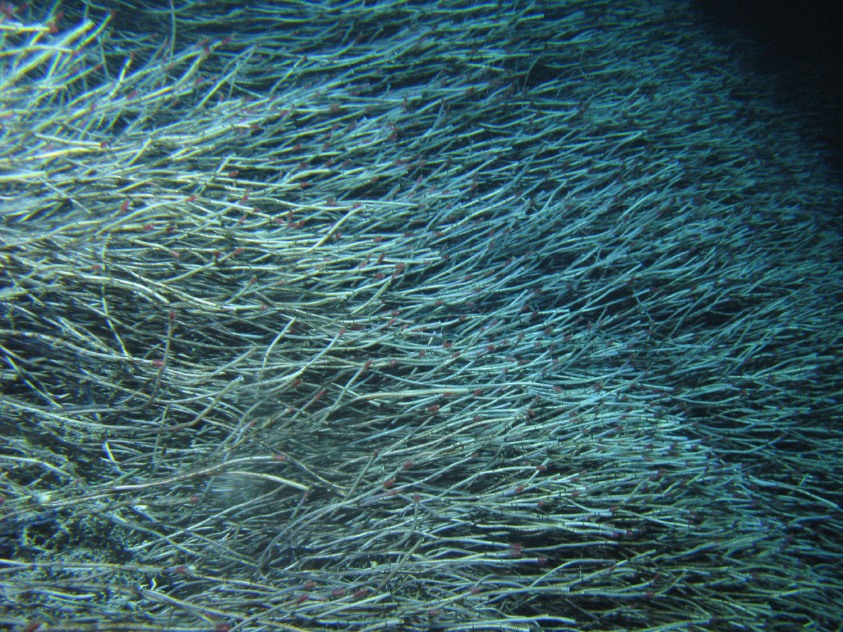
Ridgeia tubeworm colonies; rightmost one is
of long-skinny form at CLAMBED vent site
|
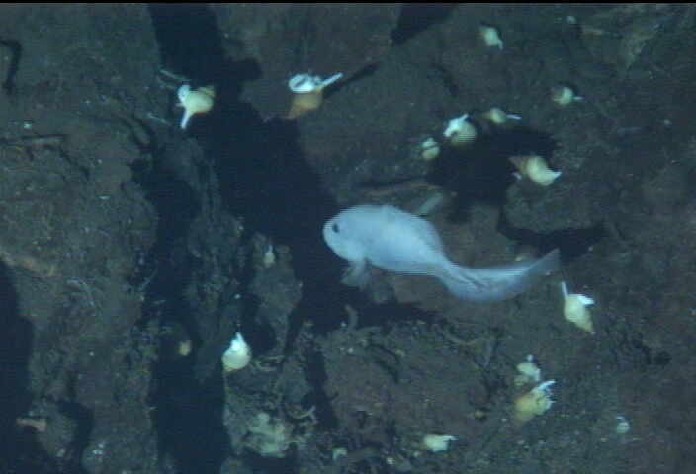
Fish with vent snails |
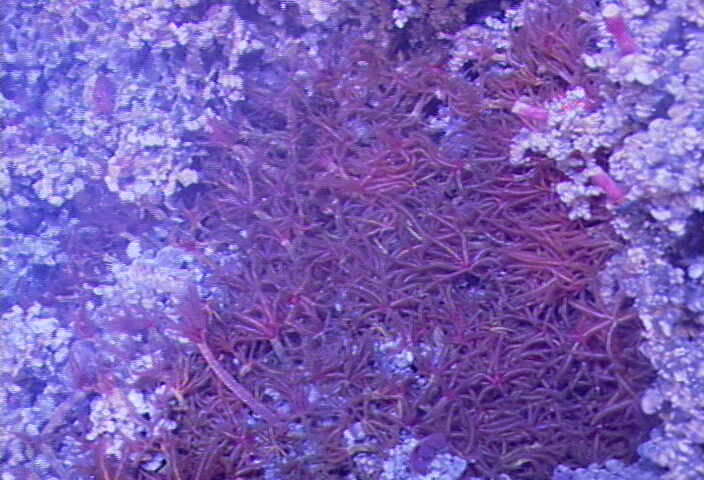
Paralvinella palmiformis |
||||
RETURN TO TOP
3. MIDDLE
VALLEY region just off the Juan de Fuca Ridge; 2.4 km
deep
 |
 |
 |
 |
 |
 |
 |
|
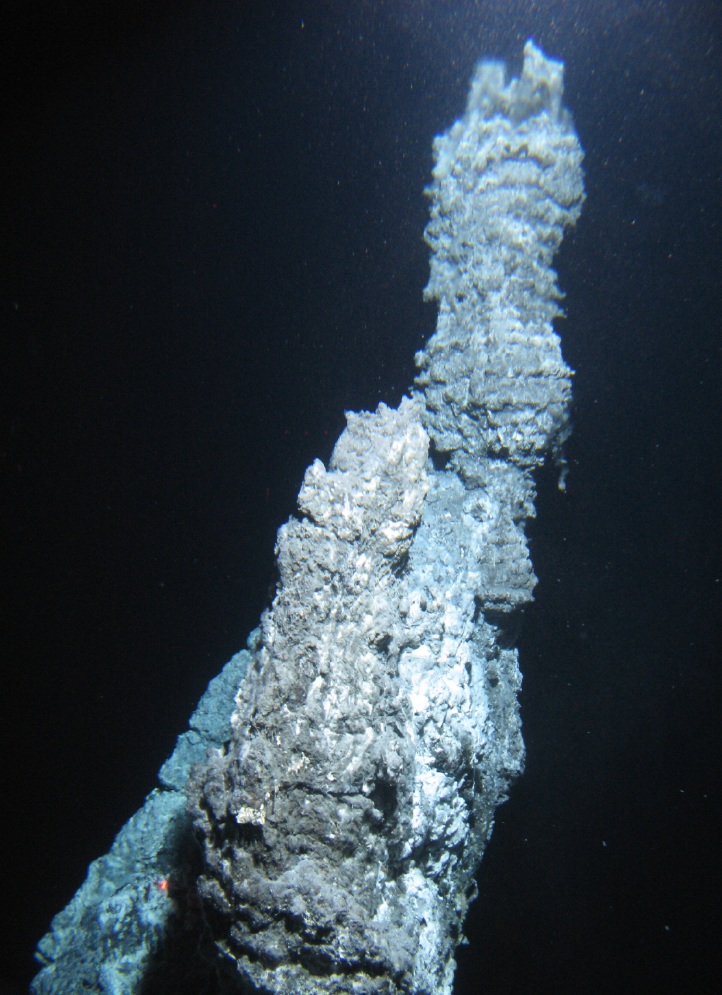
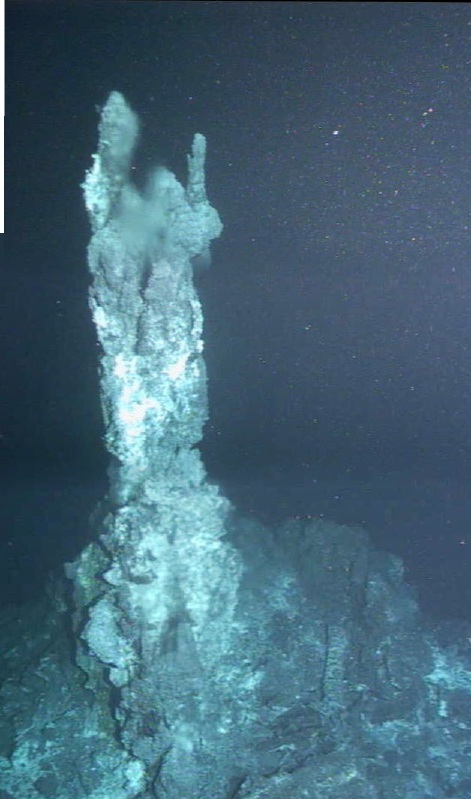
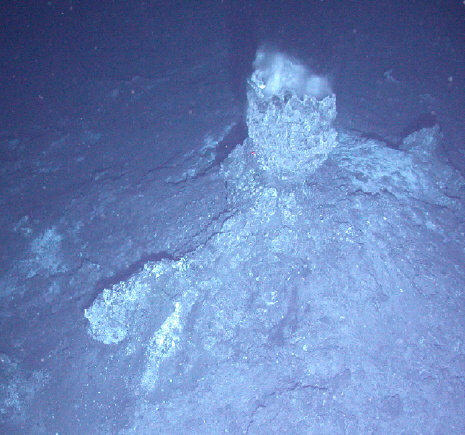
White smoker chimneys
|
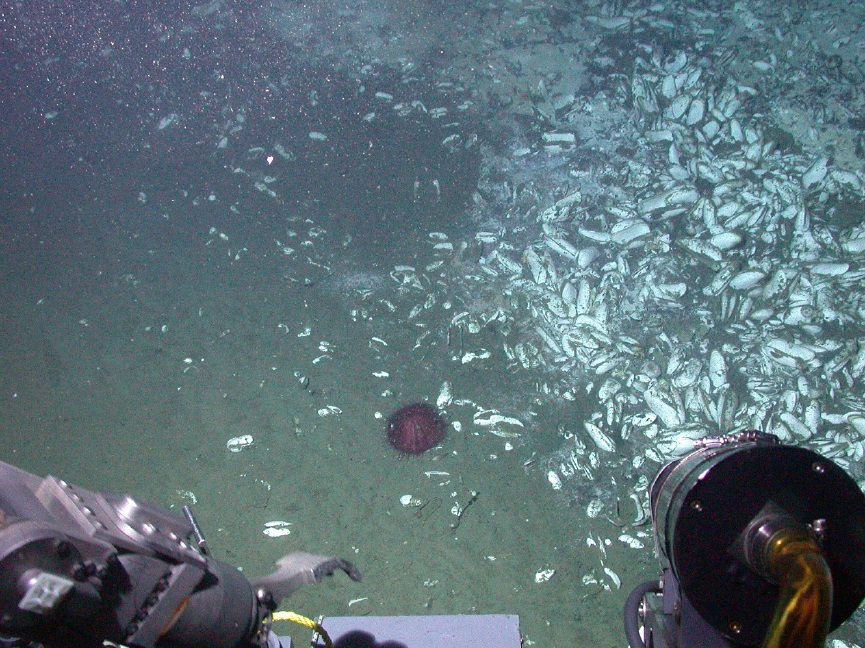
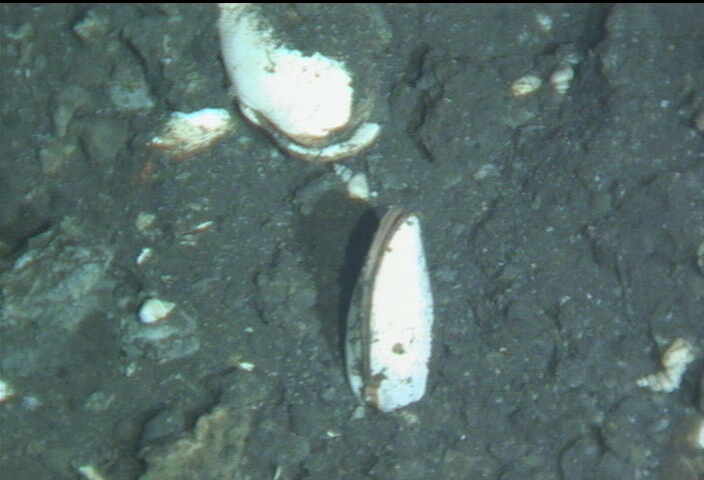
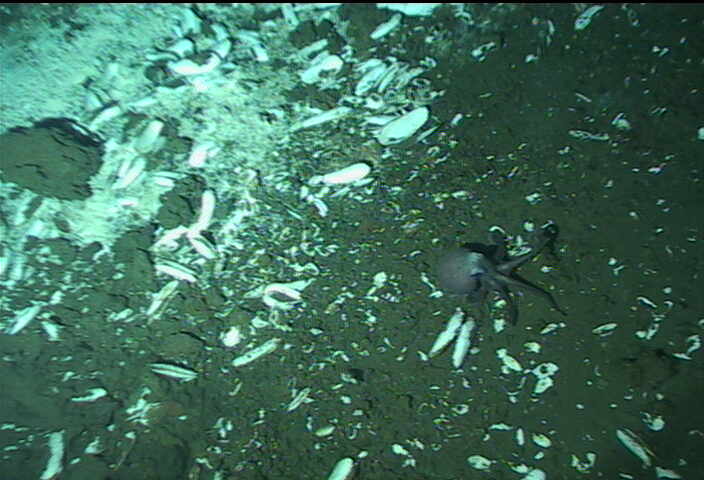
Sulfide SEEP with unnamed species of Vesicomyid clams
(see close-up of clam in ANIMALS section below) |
|||||
 |
 |
 |
 |
 |
 |
 |
|
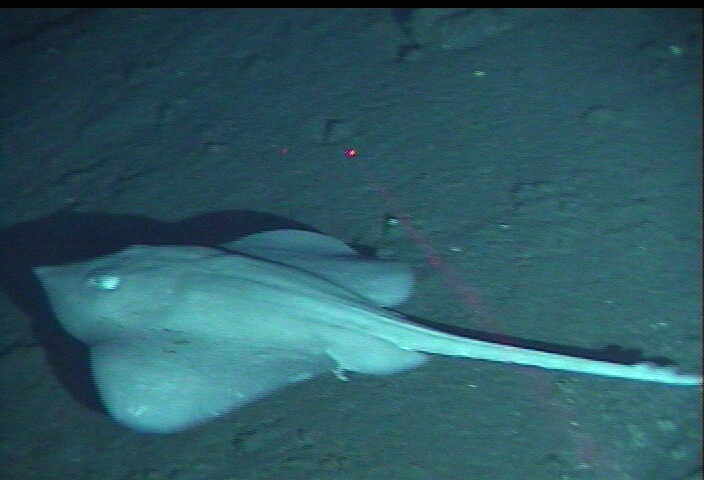
Bathyraja skate |
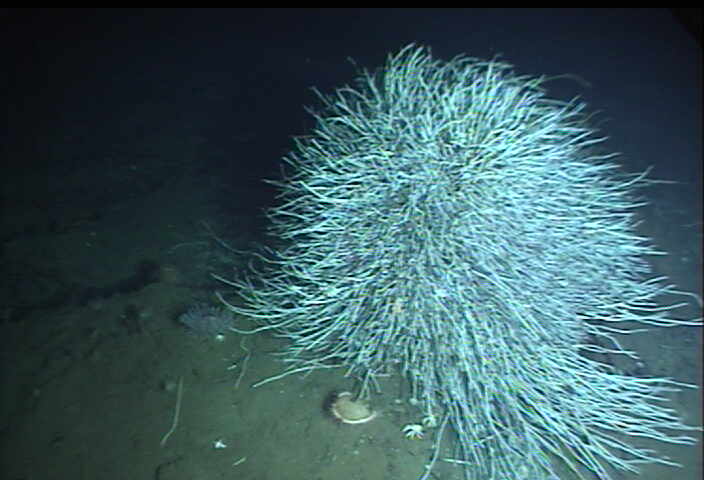
Ridgeia tubeworm 'bush' |
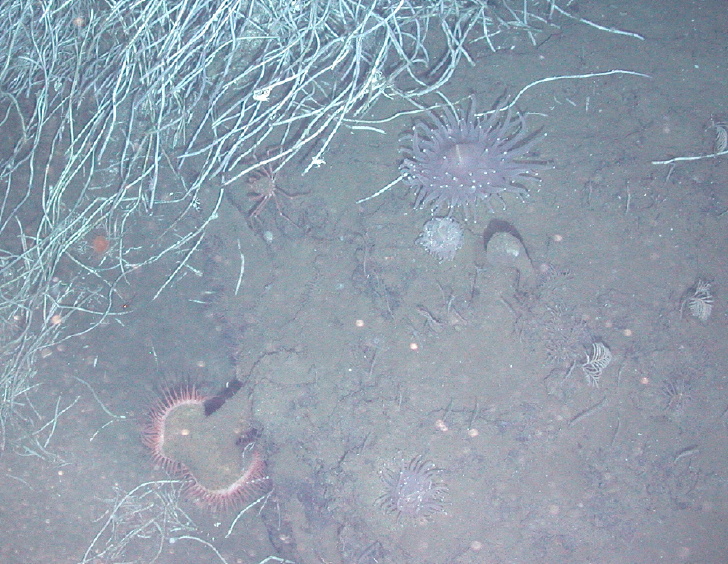
Venus flytrap anemone |
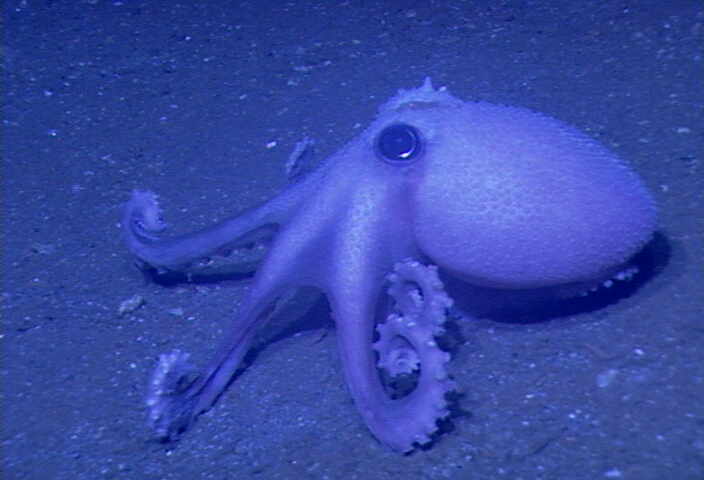
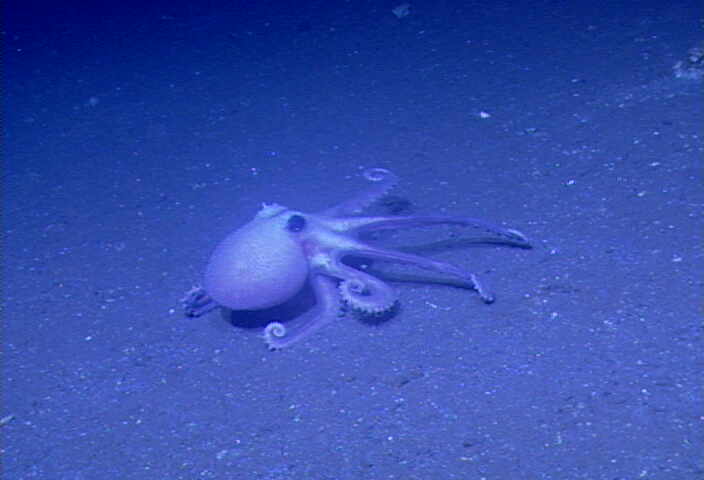
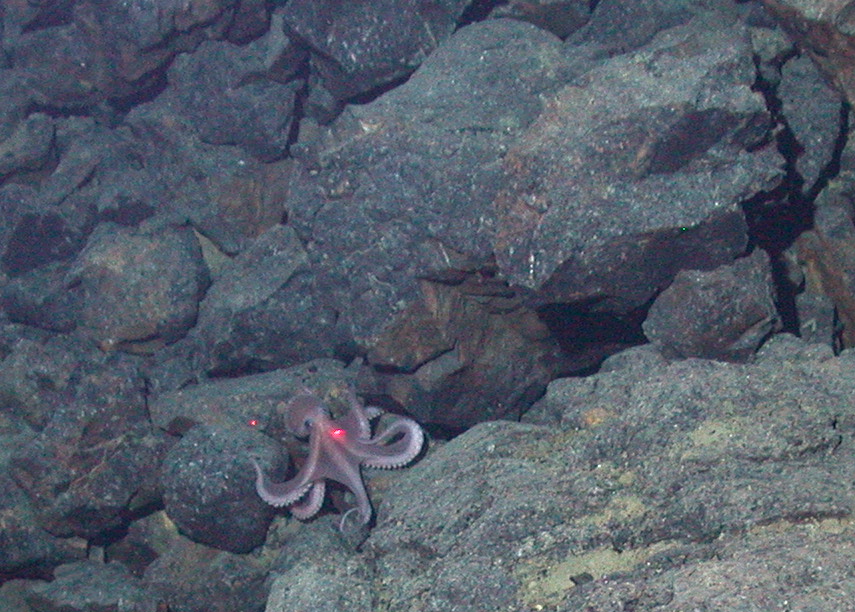
Graneledone octopod near Middle Valley site |
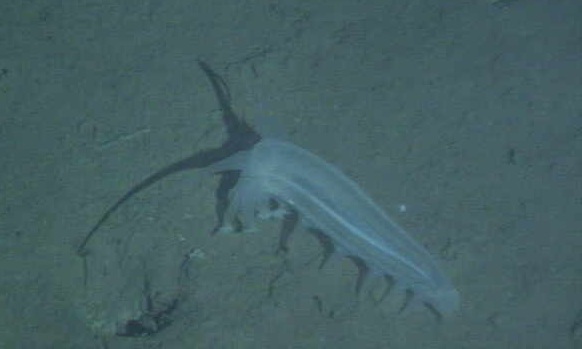
Unidentified cucumbers in Middle Valley
|
||
RETURN TO TOP
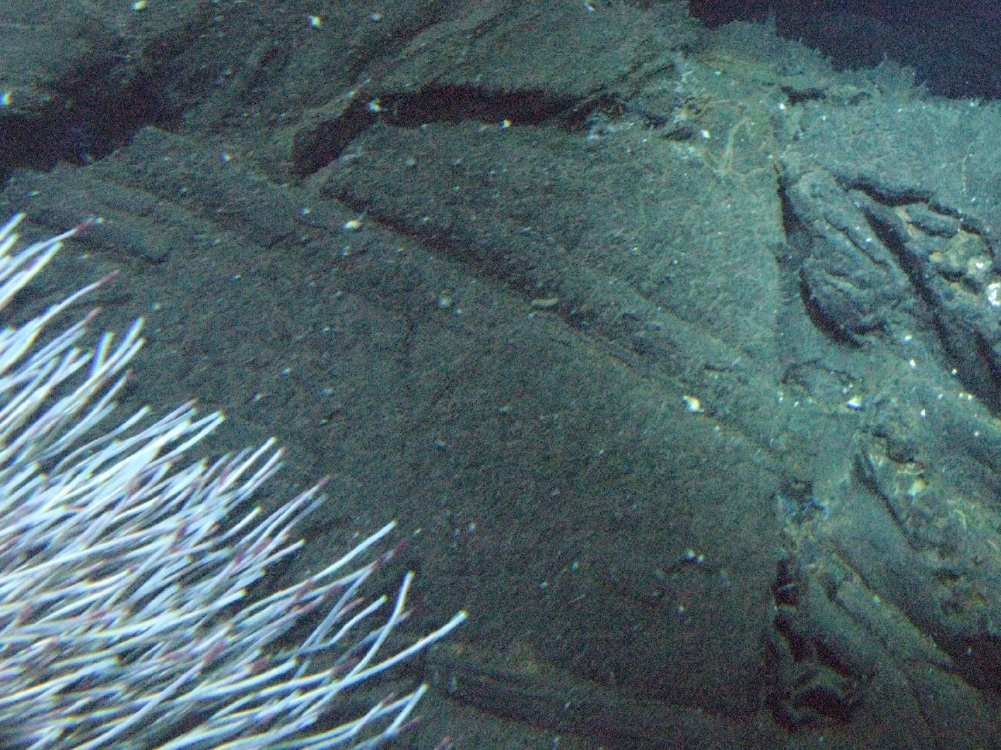
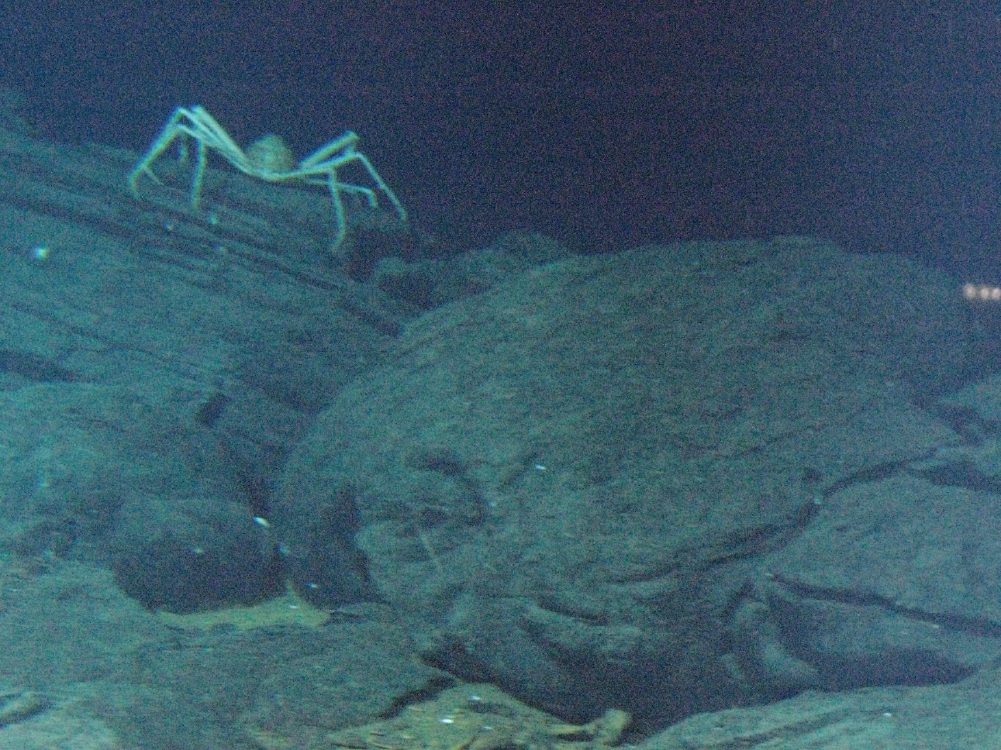
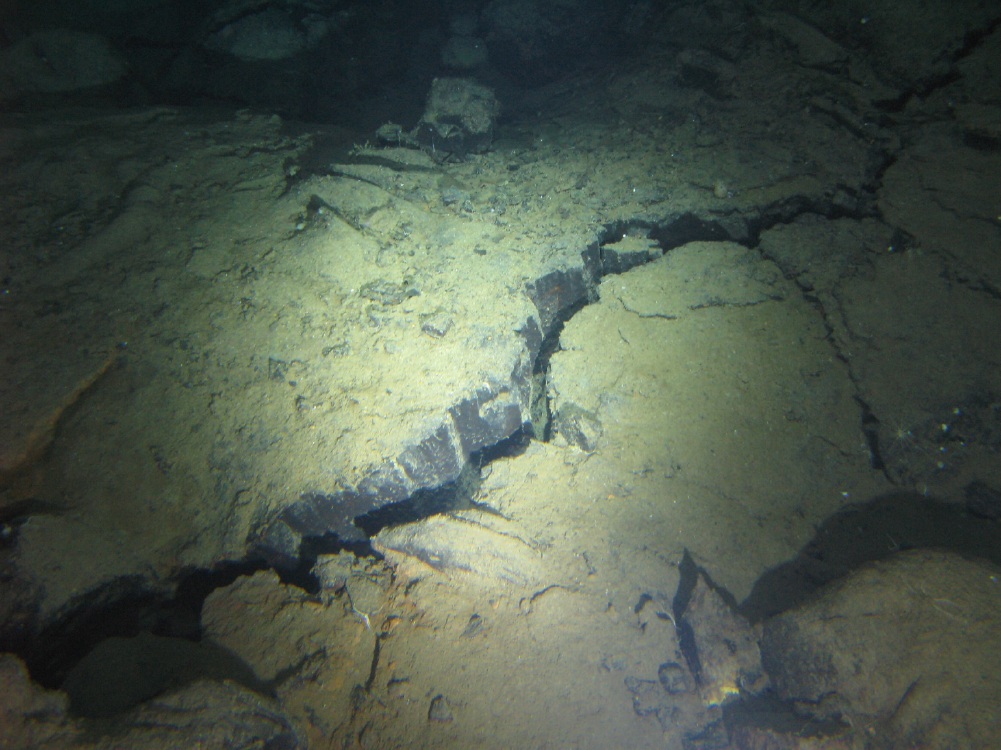
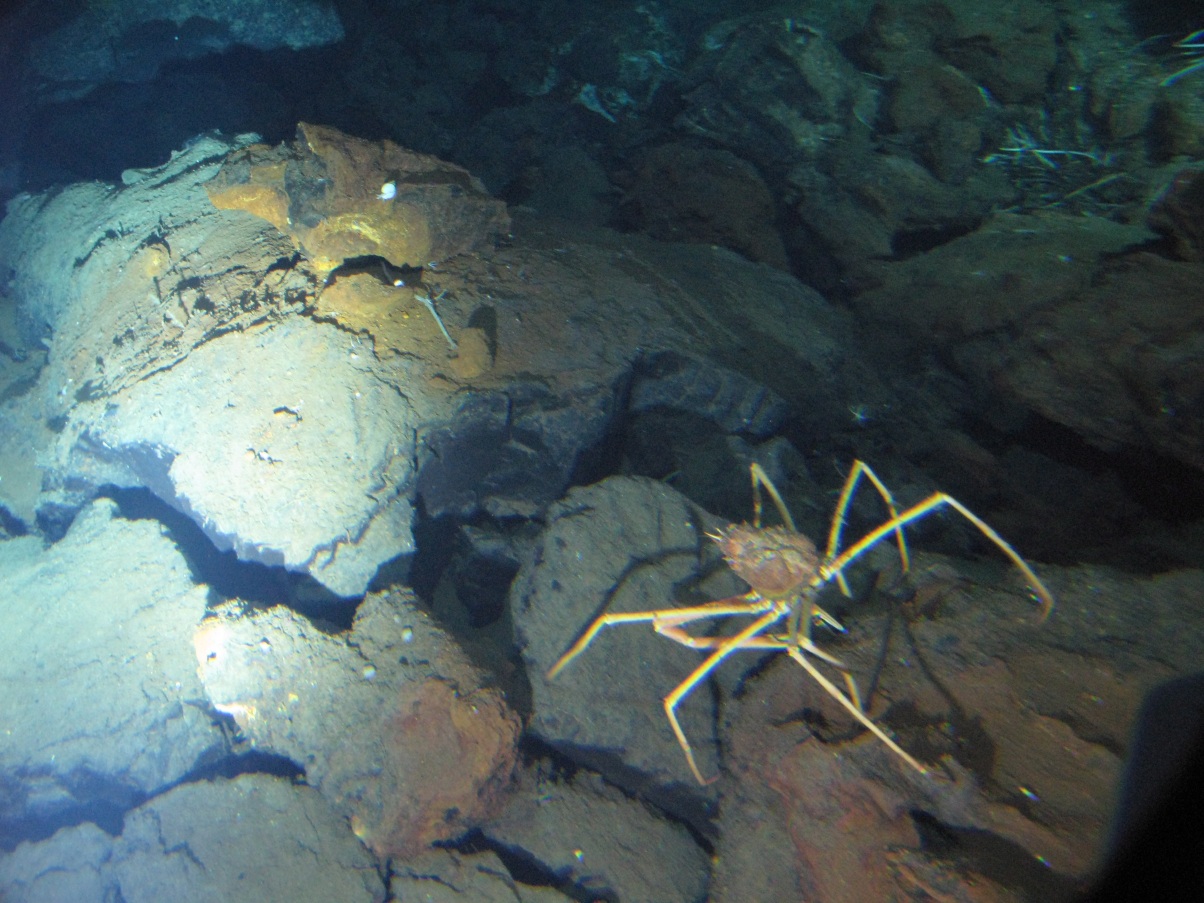
4. RIFT VALLEY
seafloor--Endeavour Segment of Juan de Fuca Ridge
 |
 |
 |
 |
 |
 |
 |
 |
 |
|
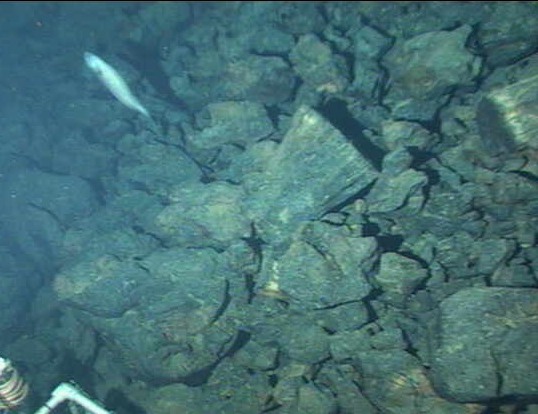
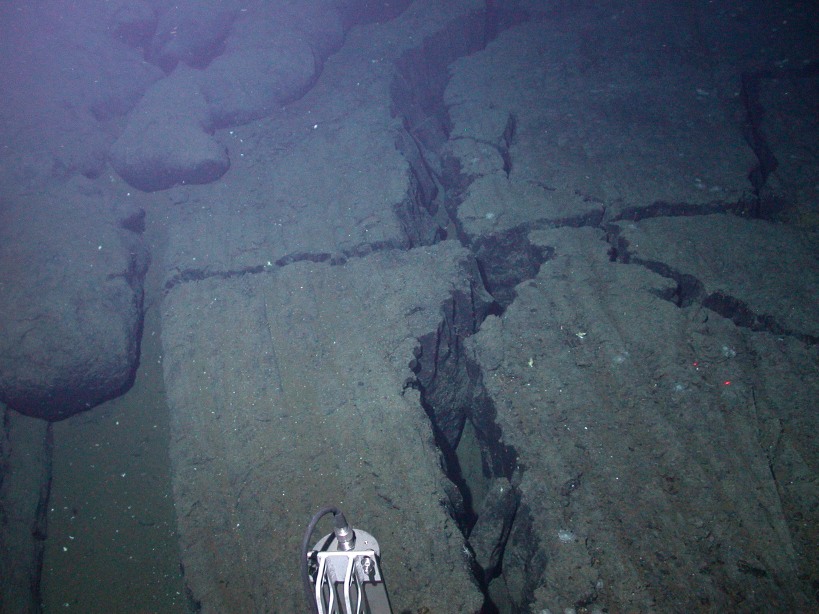
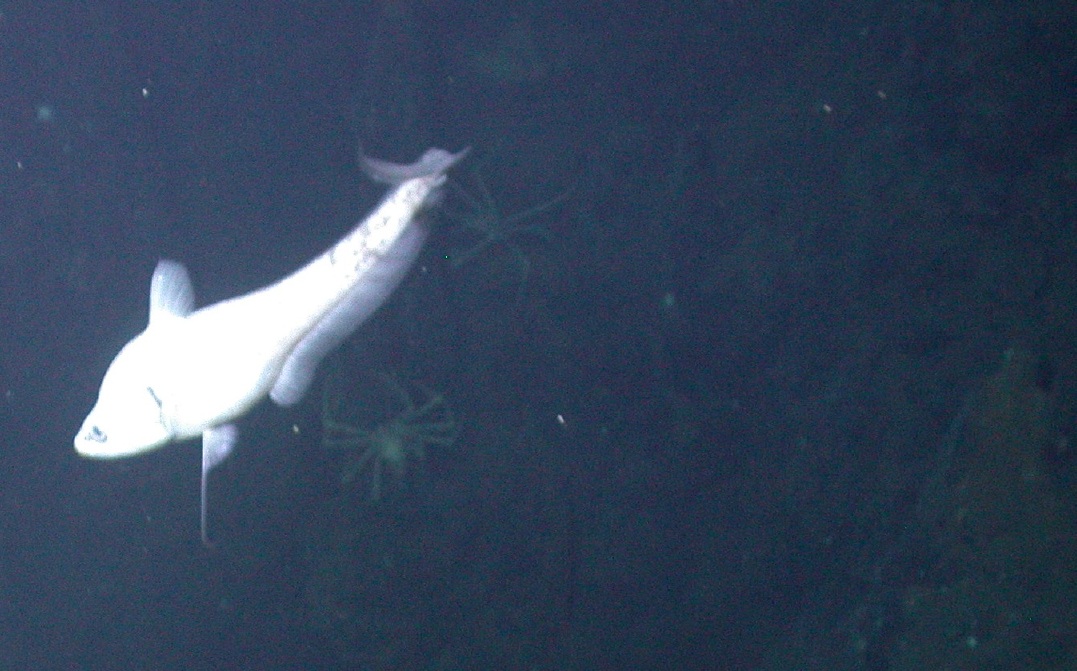
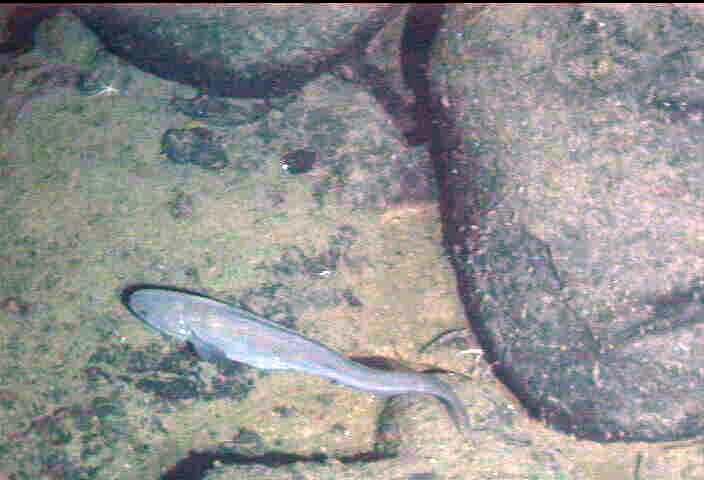
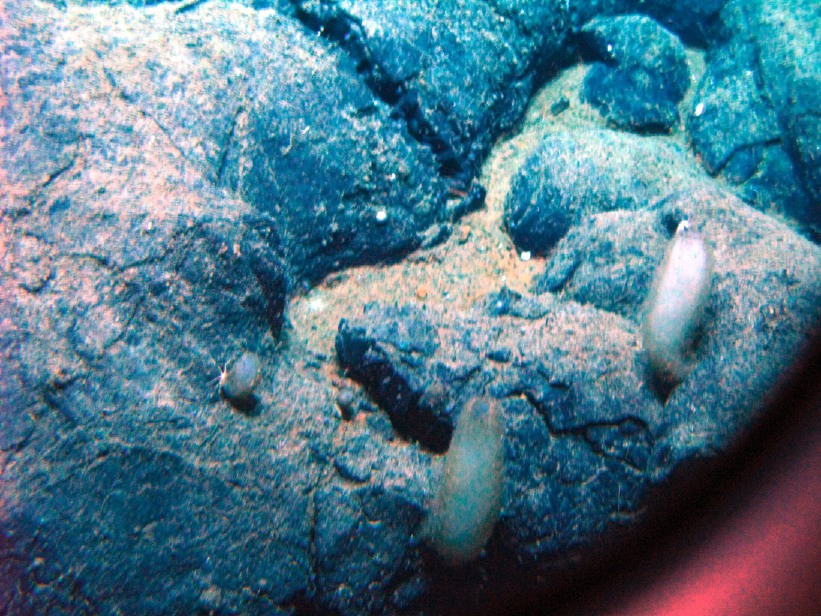
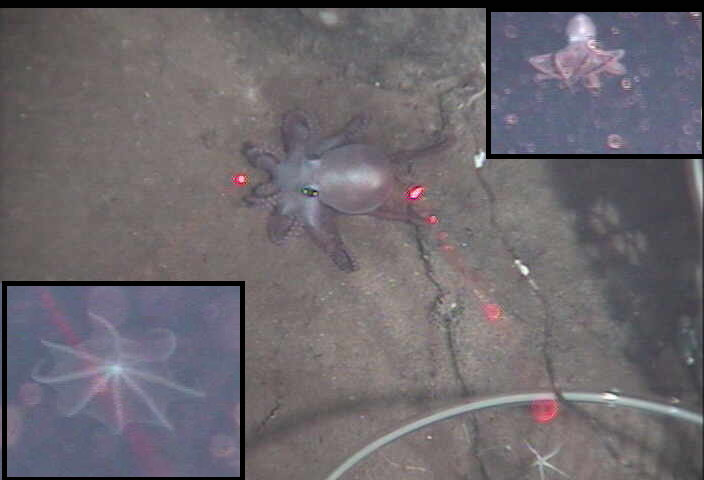
Lava formations on the Juan de Fuca rift valley floor
(Endeavour segment)
|
||||||||
 |
 |
 |
 |
 |
 |
 |
 |
 |
|
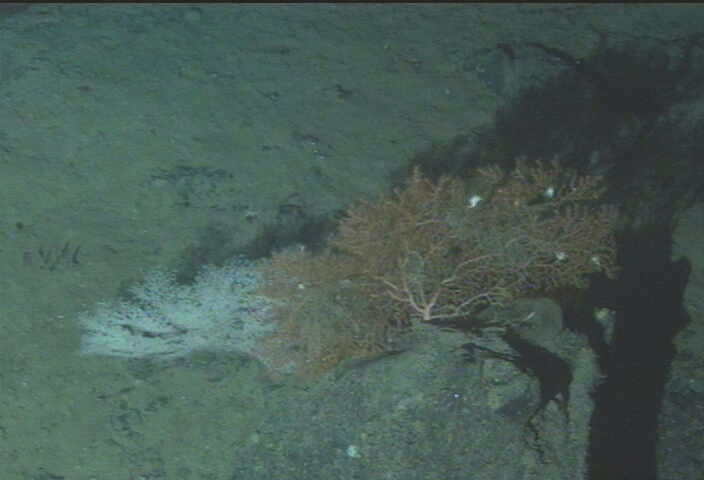
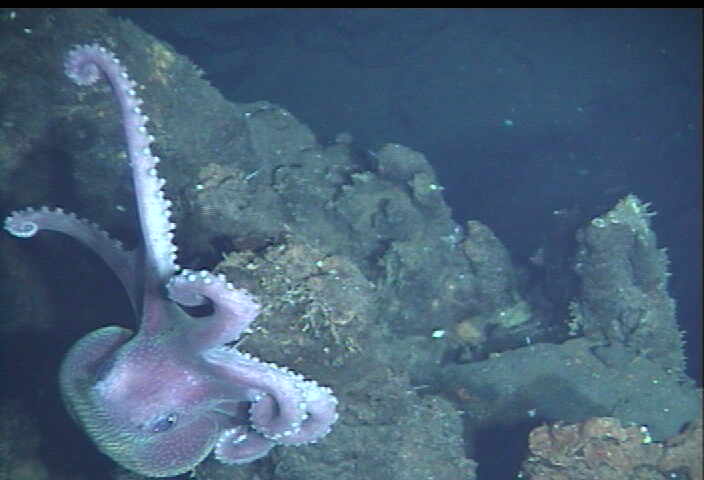
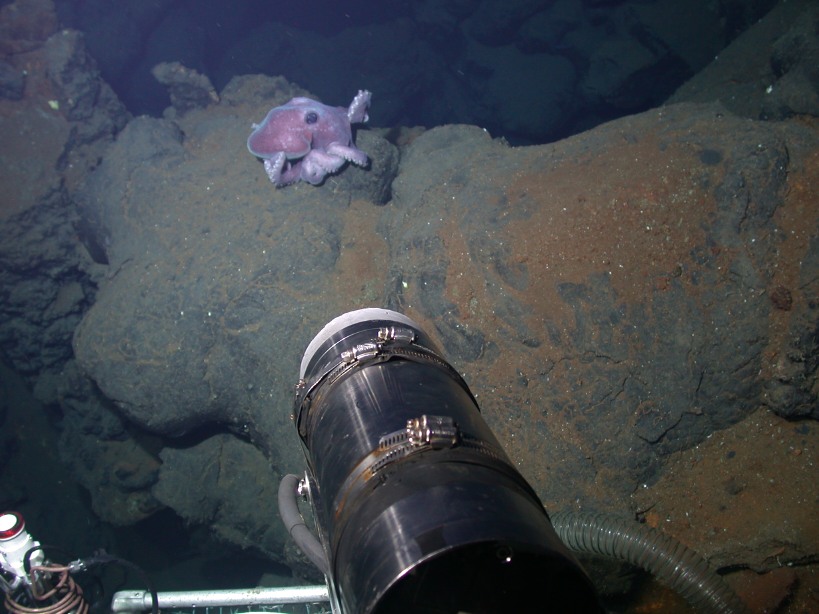
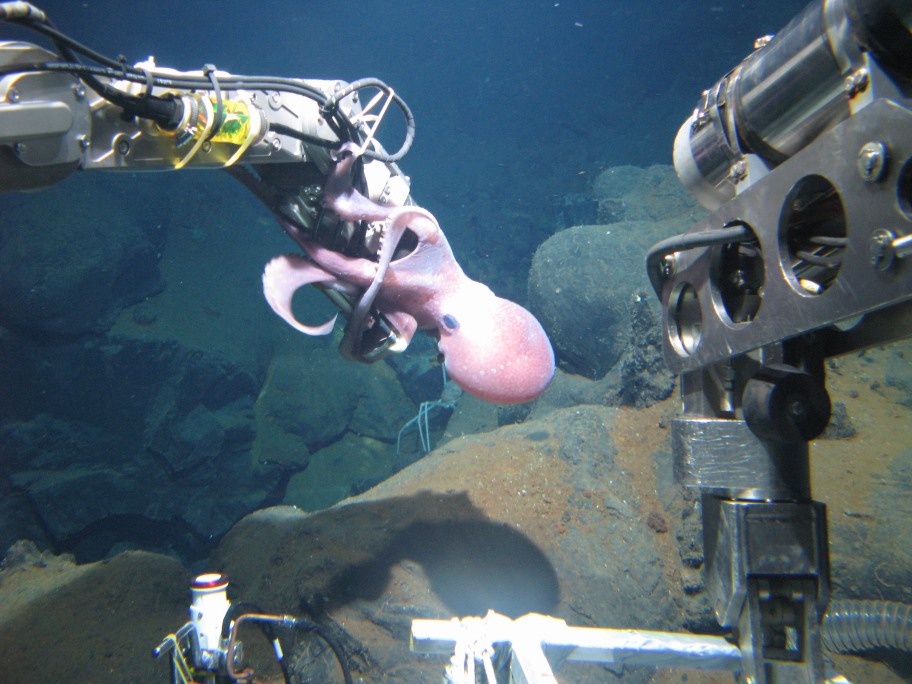
Animals seen on the rift valley floor (coral, fishes,
skate eggcases, octopods)
|
||||||||
5. ANIMALS
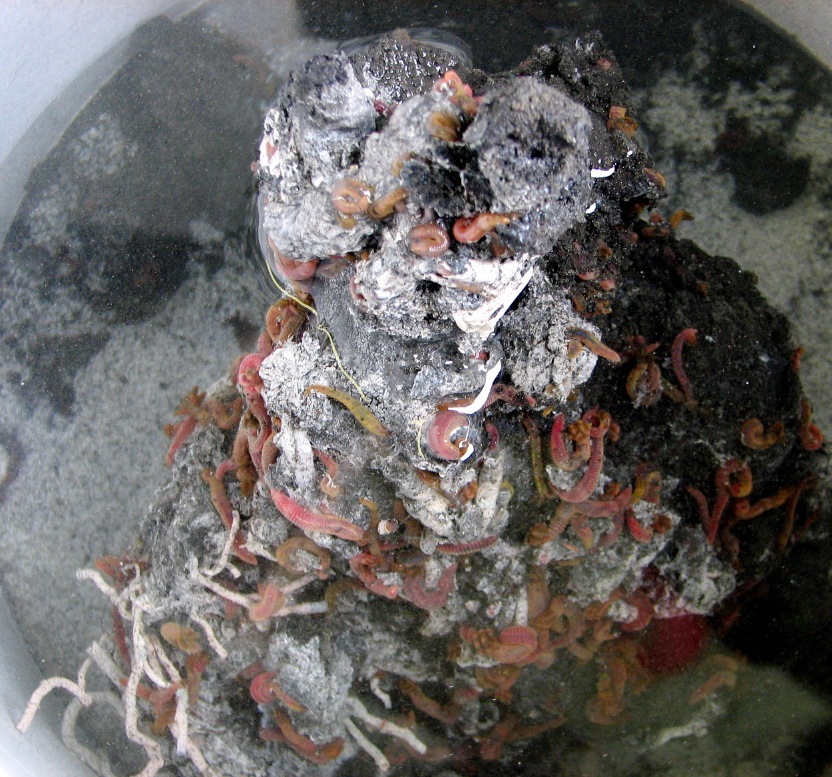
brought back on ALVIN to the ship from the Juan de Fuca ridge:
 |
 |
 |
 |
 |
 |
 |
 |
|
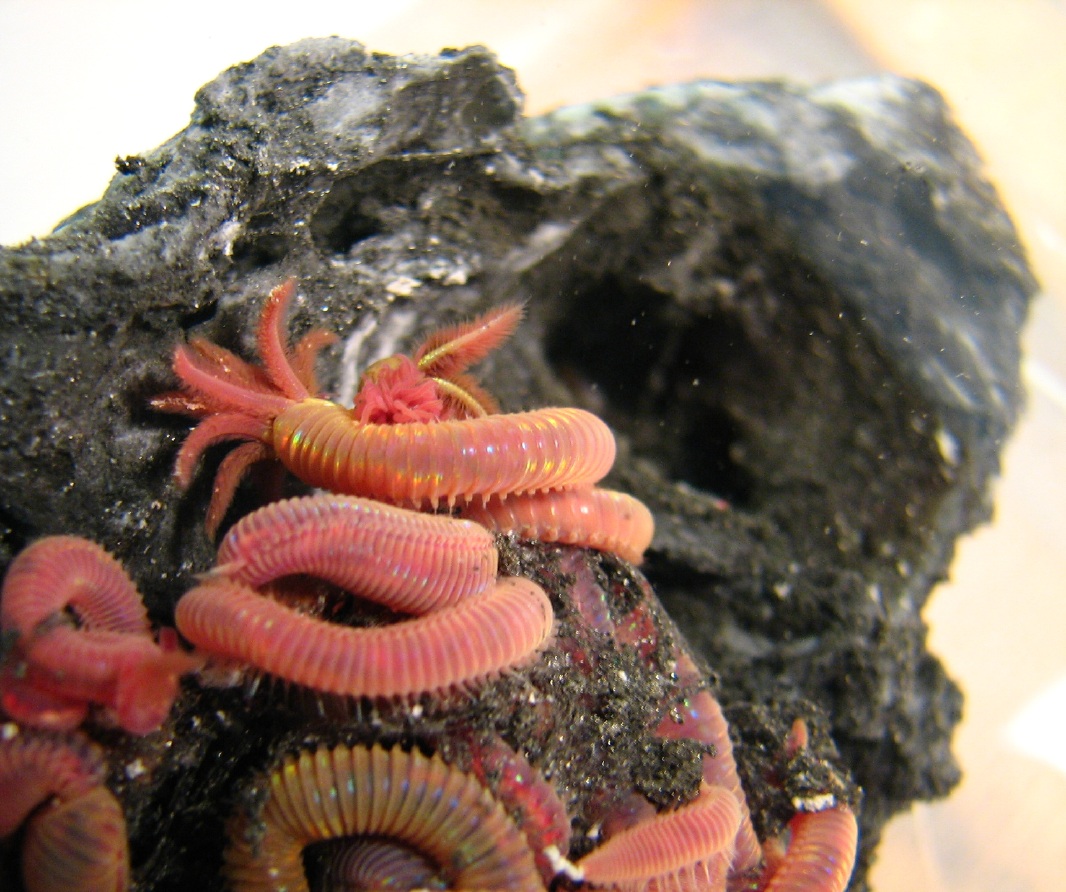
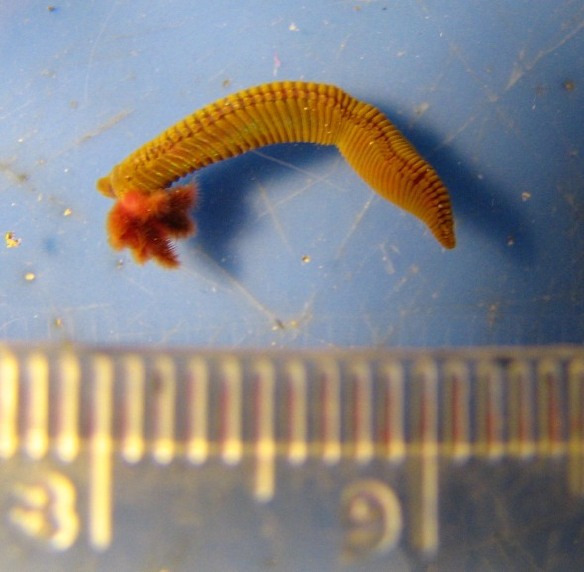
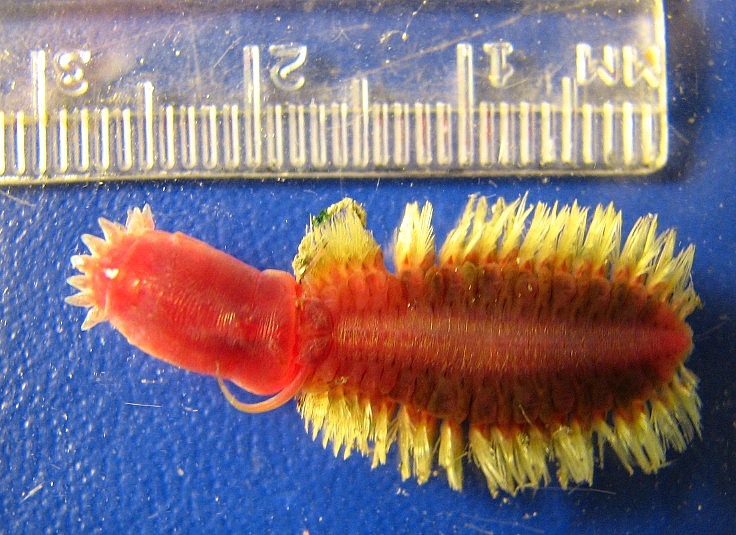
Paralvinella worms in vent chimneys |
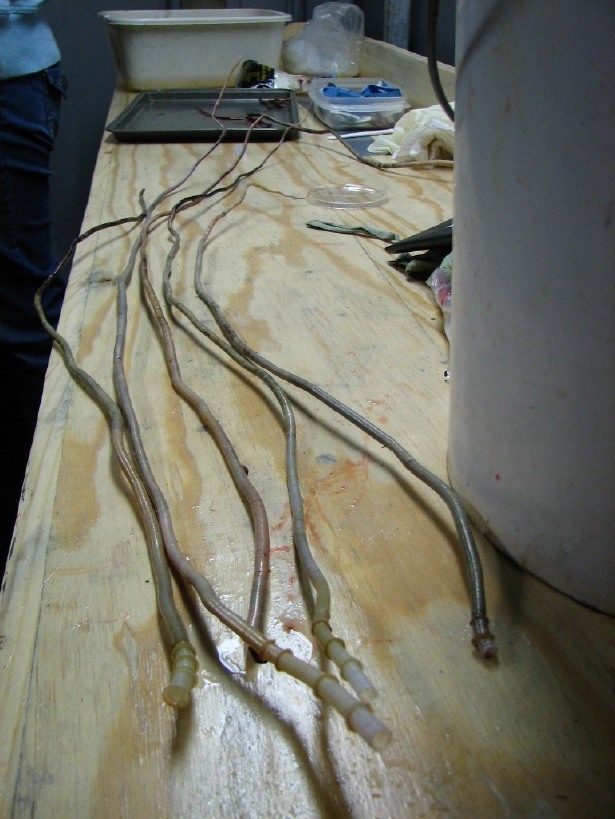
Ridgeia, LS (long-skinny) form |
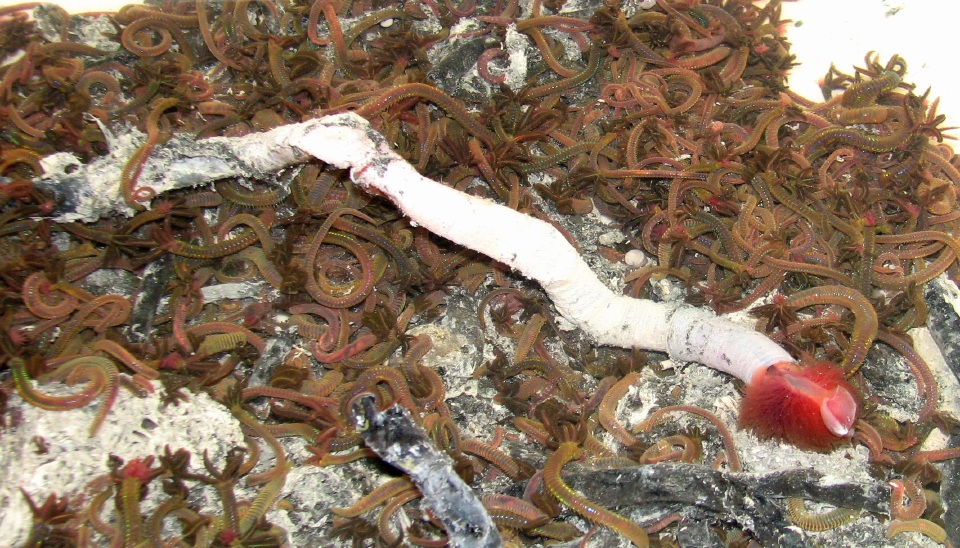
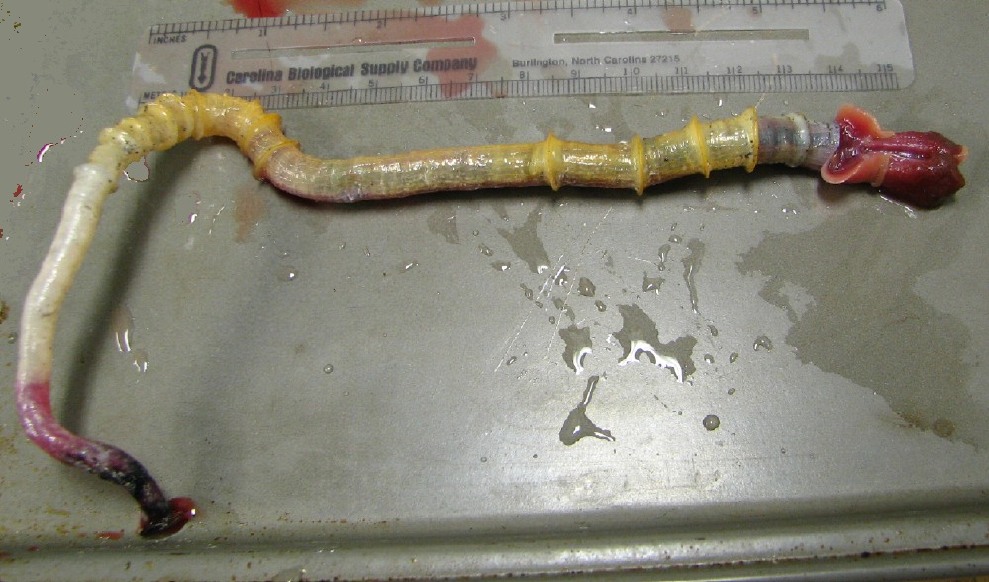
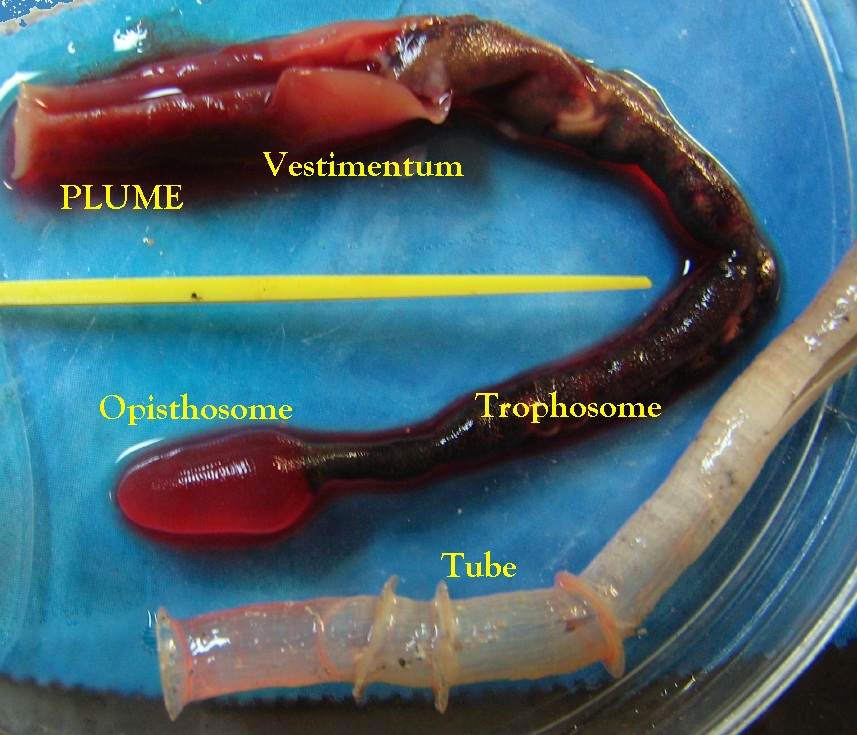
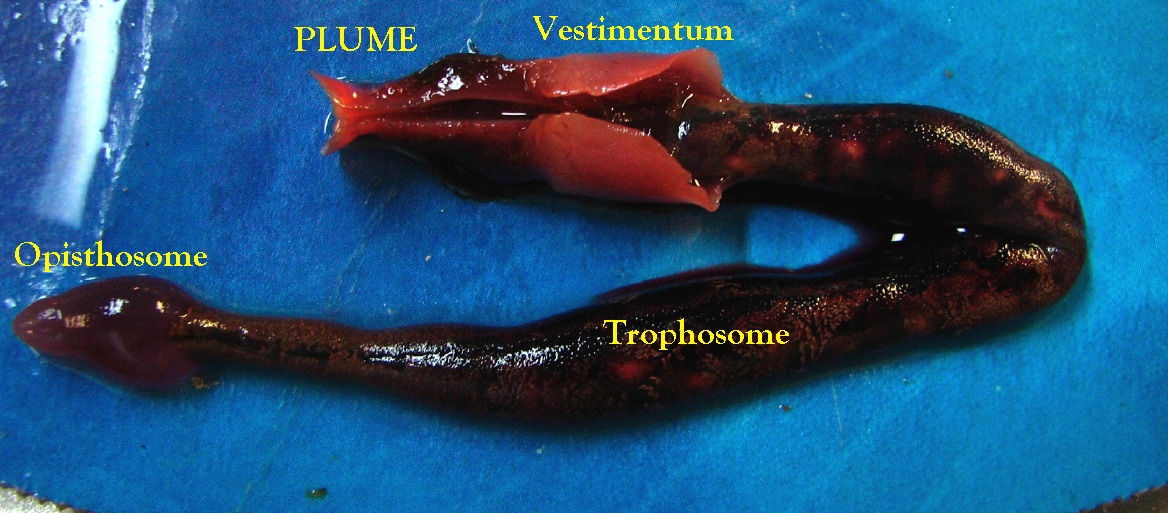
Ridgeia, the SF (short-fat) form; shown dissected
in the 2 righthand images |
|||||
 |
 |
 |
 |
 |
 |
 |
 |
|
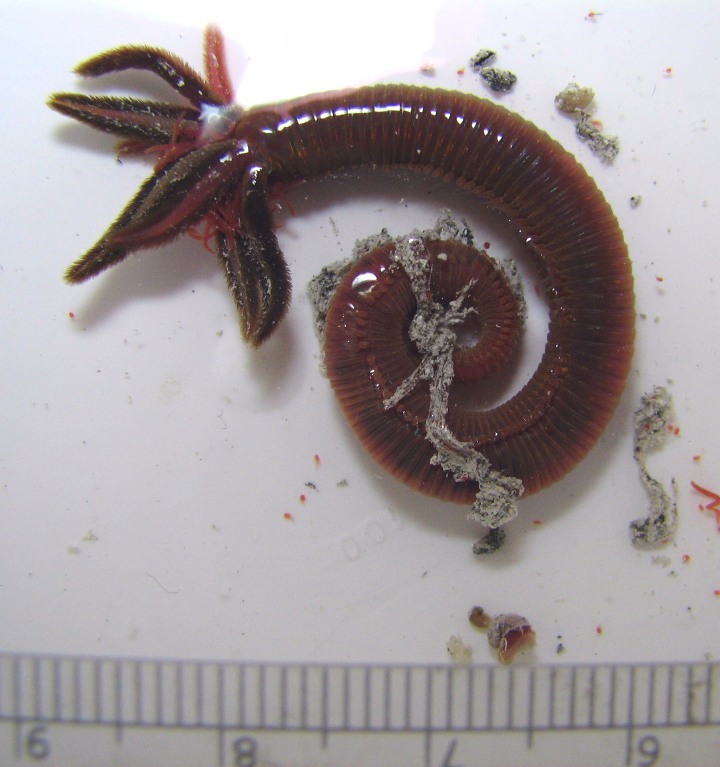
Paralvinella palmiformis |
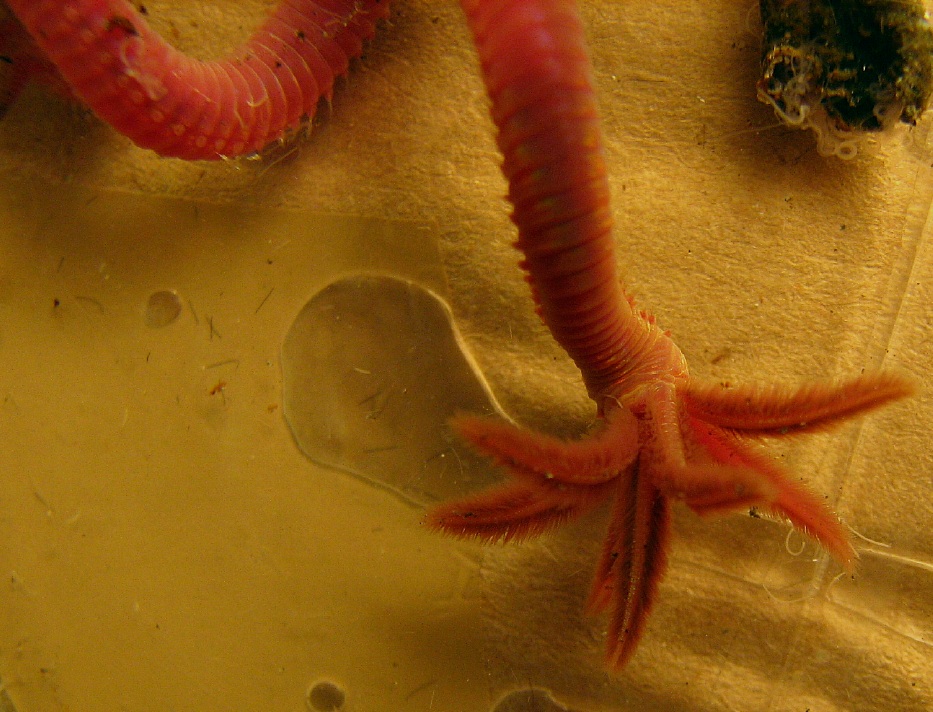
Paralvinella sulfincola |
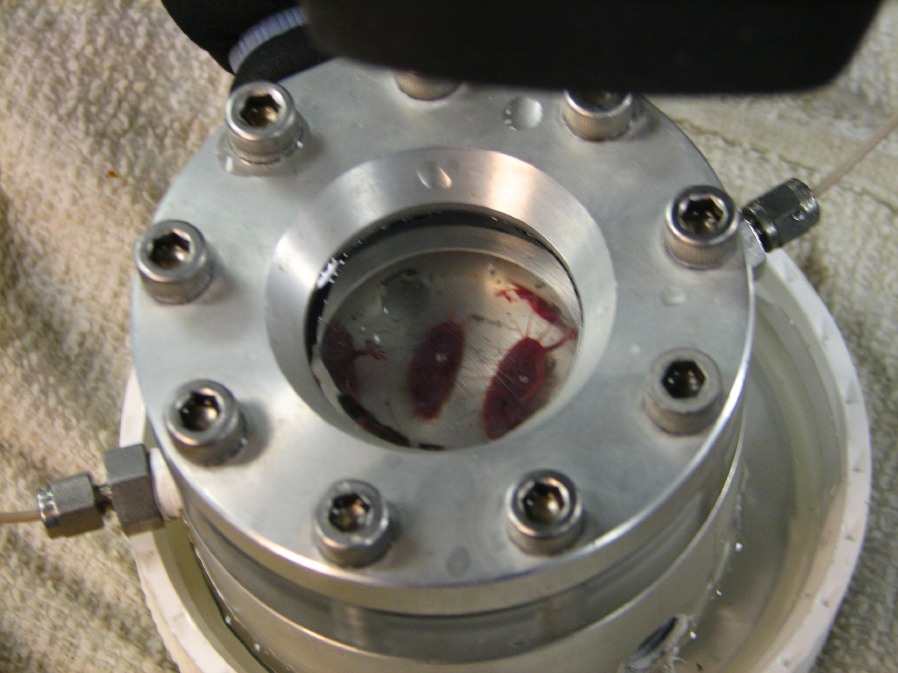
Scale worms in Ray Lee's pressure chamber |
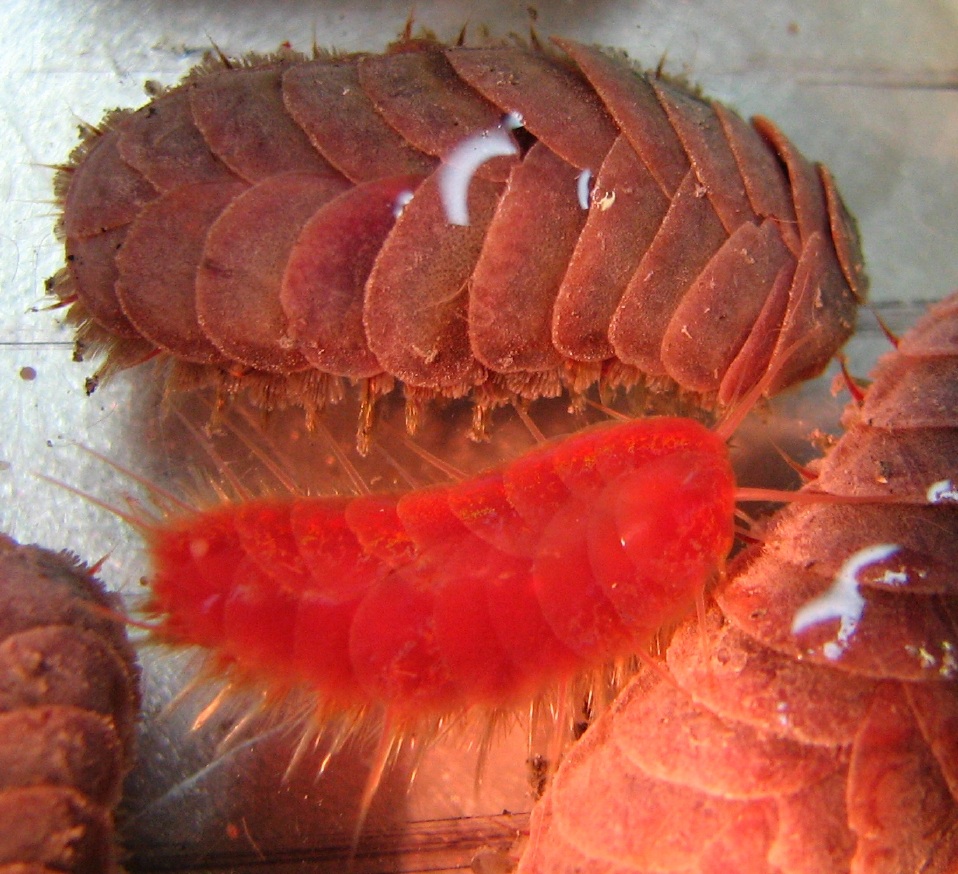
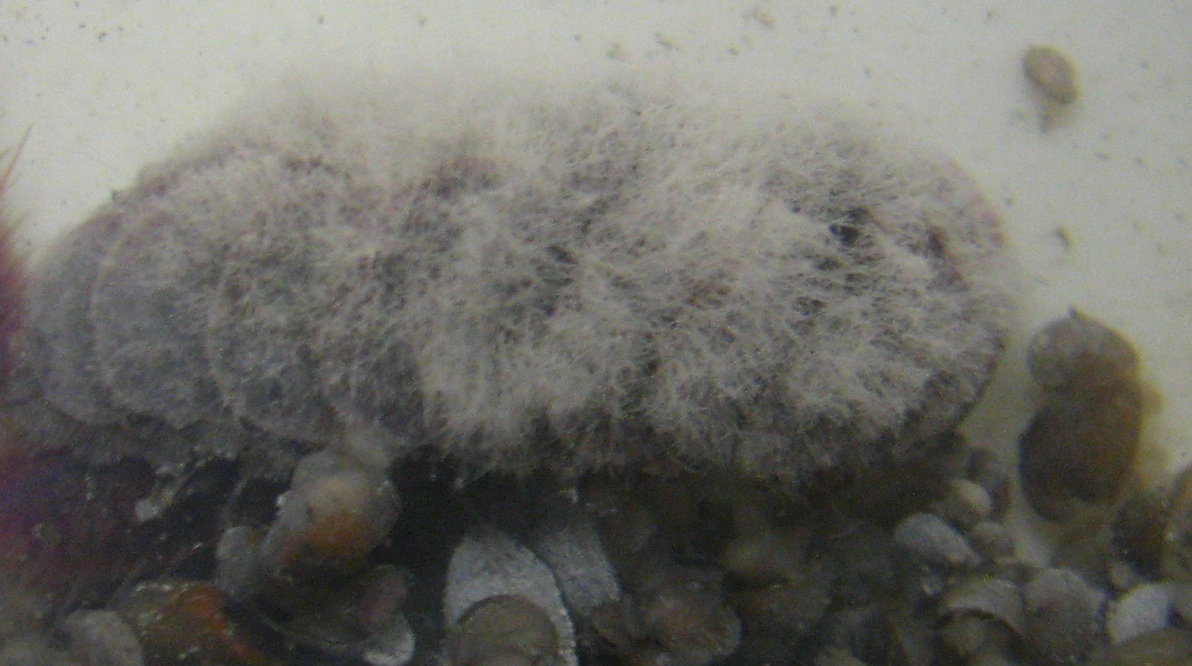
Scale worms (covered with bacterial filaments, right)
|
||||
 |
 |
 |
 |
 |
 |
 |
 |
|
Maldonid (bamboo) worm |
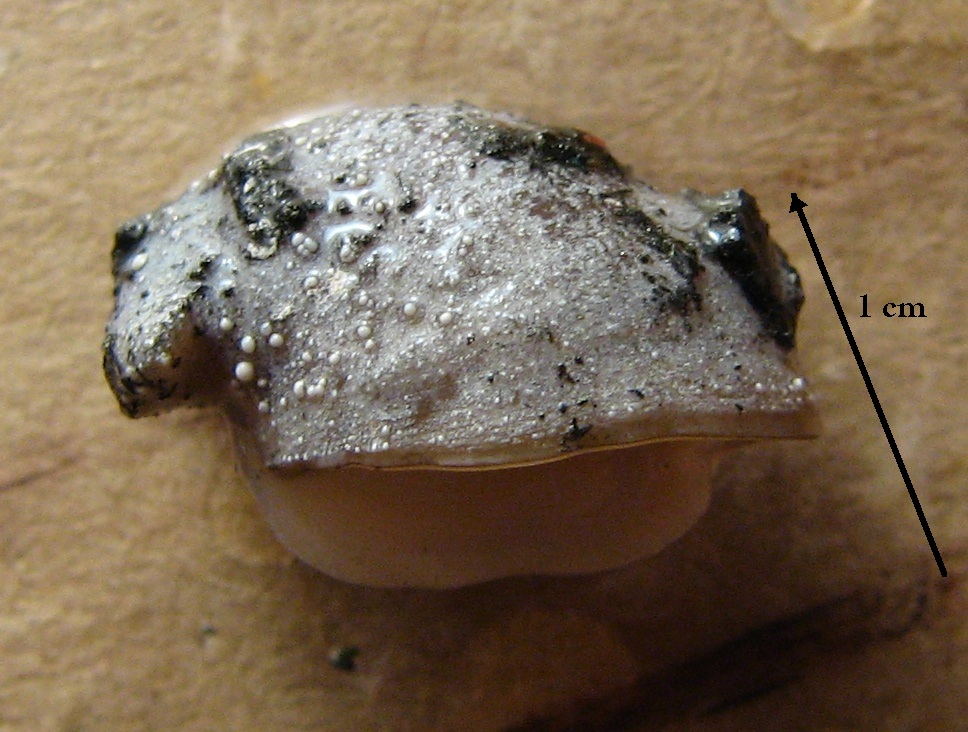
Limpet Lepidodrilus |
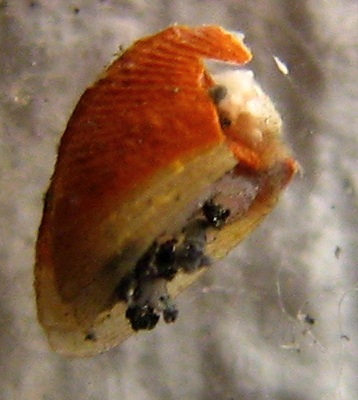
Limpet ? |
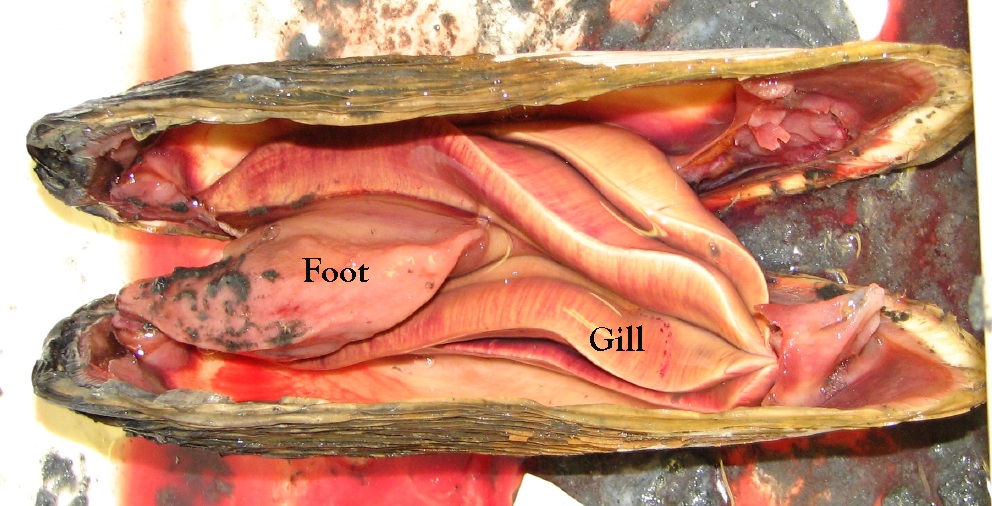
Juan de Fuca vent mussel? A rare specimen |
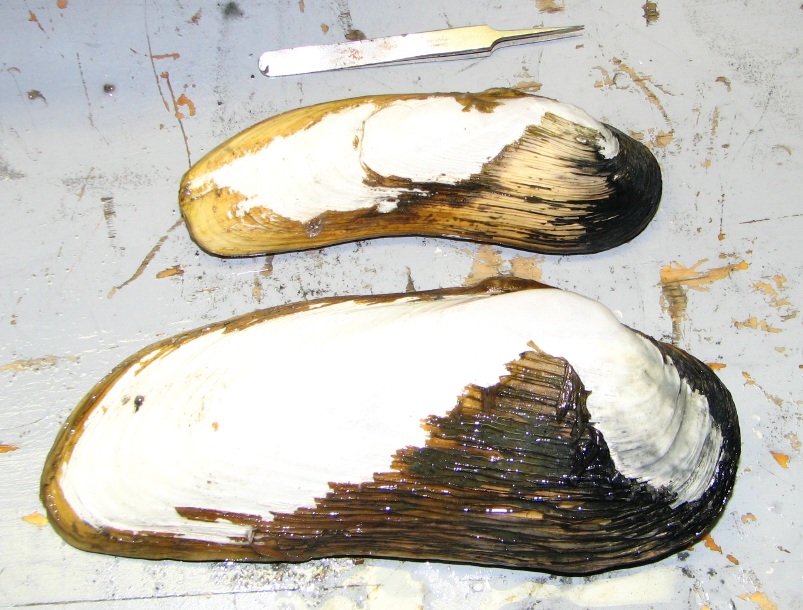
Unnamed species of Vesicomyid clam
from Middle Valley seeps |
Anemone near Middle Valley seeps |
||
 |
 |
 |
 |
 |
 |
 |
|
|
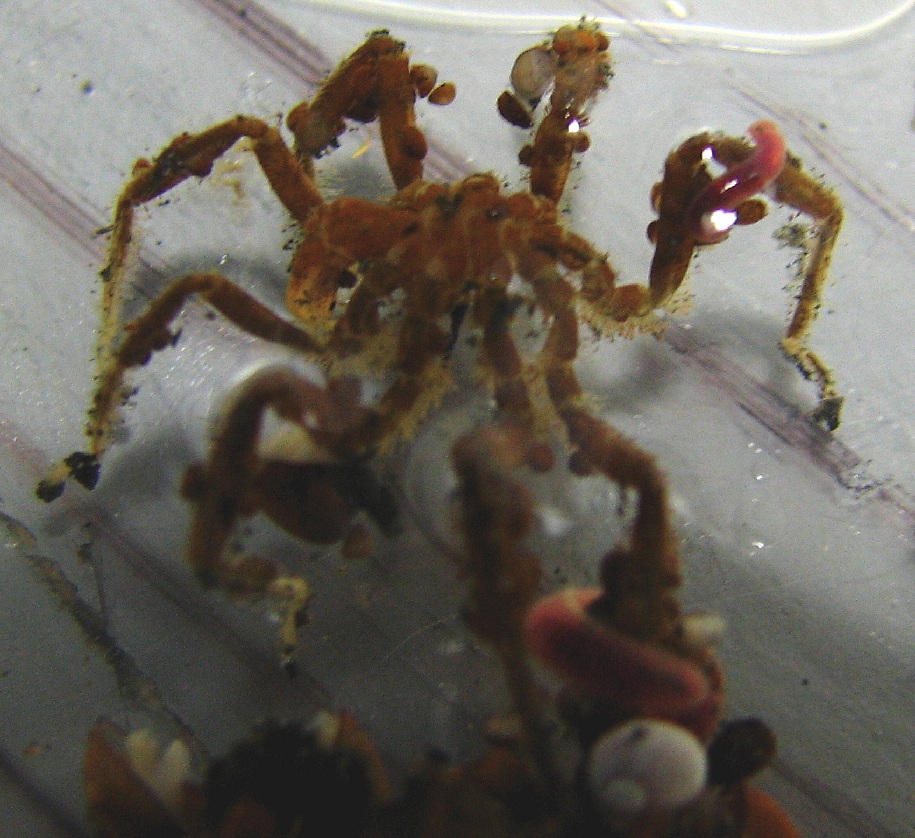
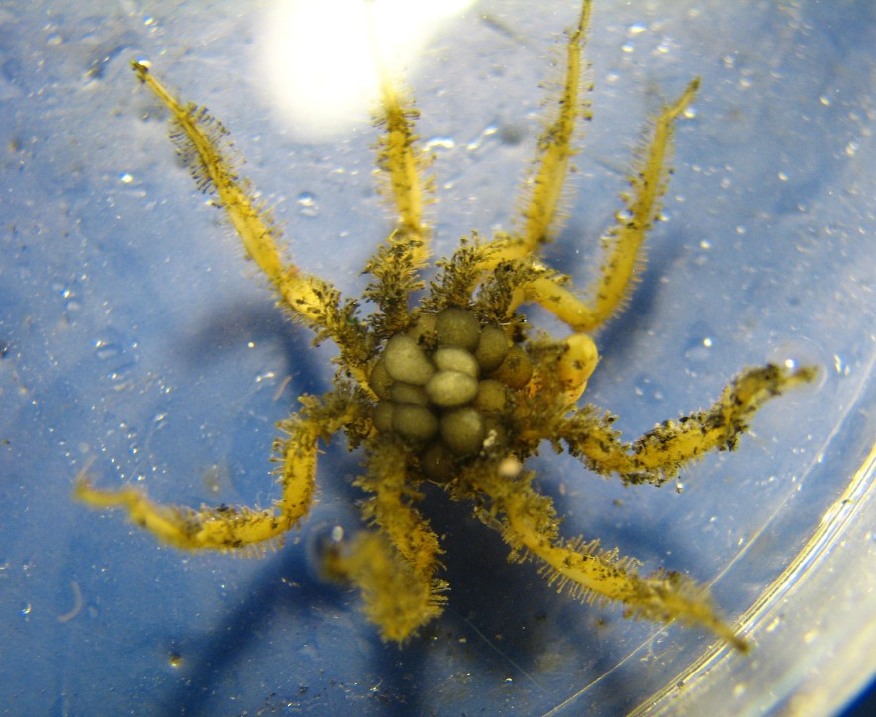
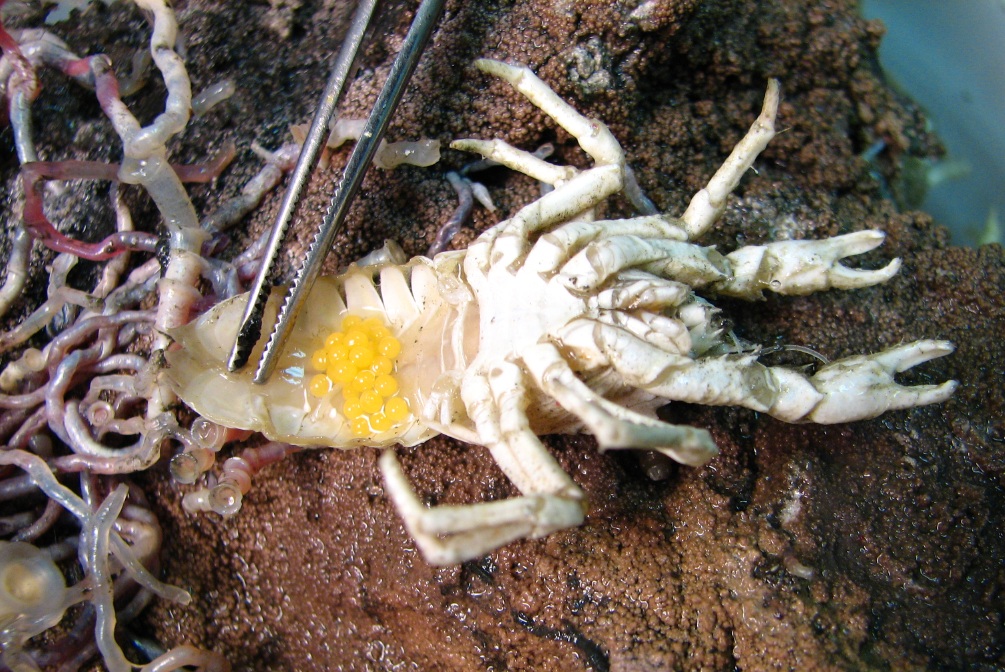
Pycnogonid (male carrying eggs; right)
|
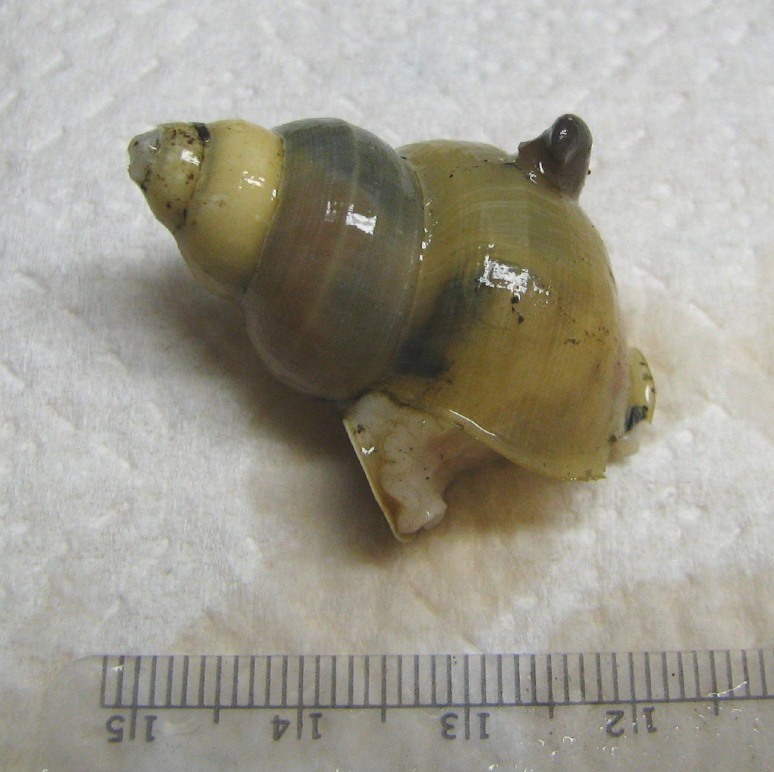
B. thermophilus vent snail with limpet |
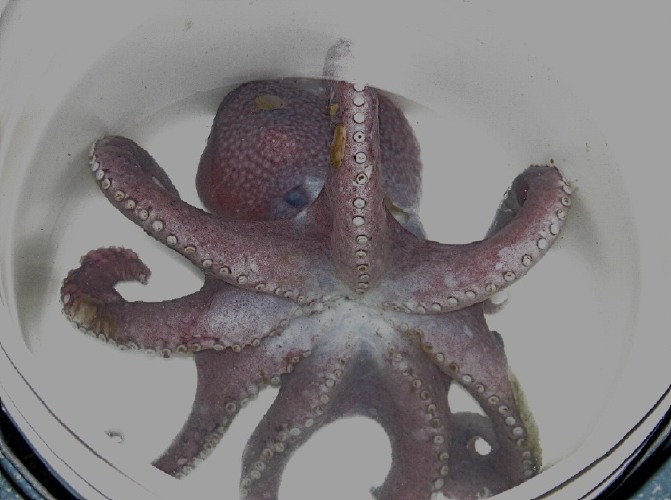
Graneledone octopod from Middle Valley |
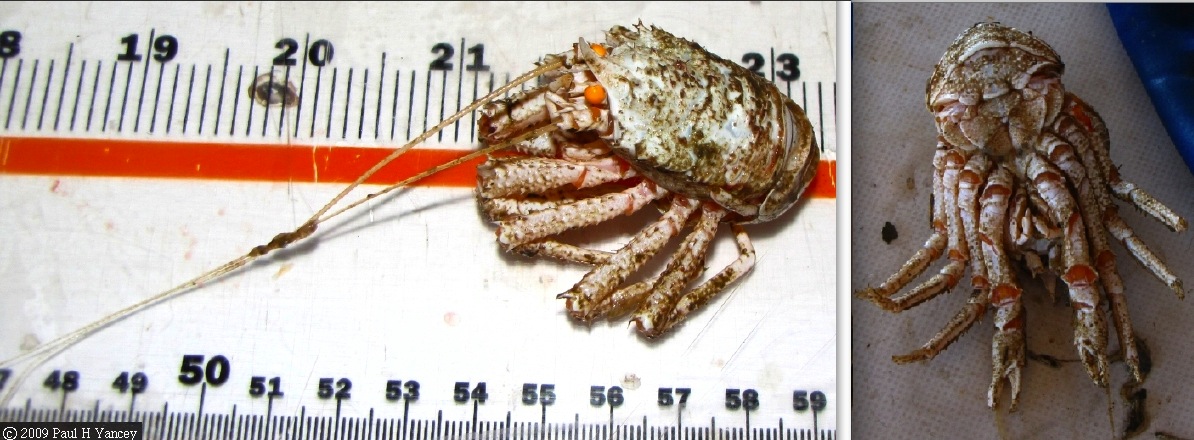
Galatheid crab from Middle Valley
|
Vent ciliate! (single-celled protozoa that form tubes
to make a blue mat) |
|||
| B. Mediterranean Sea; Mid-Atlantic Ridge; East Pacific Rise |
 |
 |
 |
 |
|
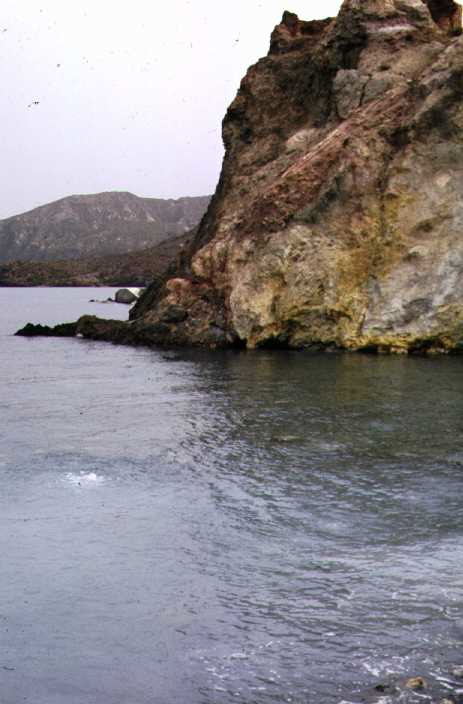
A shallow hydrothermal vent off Vulcano, an Italian island in
the Mediterranean. Note the sulfur deposits. For the deeper vents on the
mid-ocean ridges, see: |
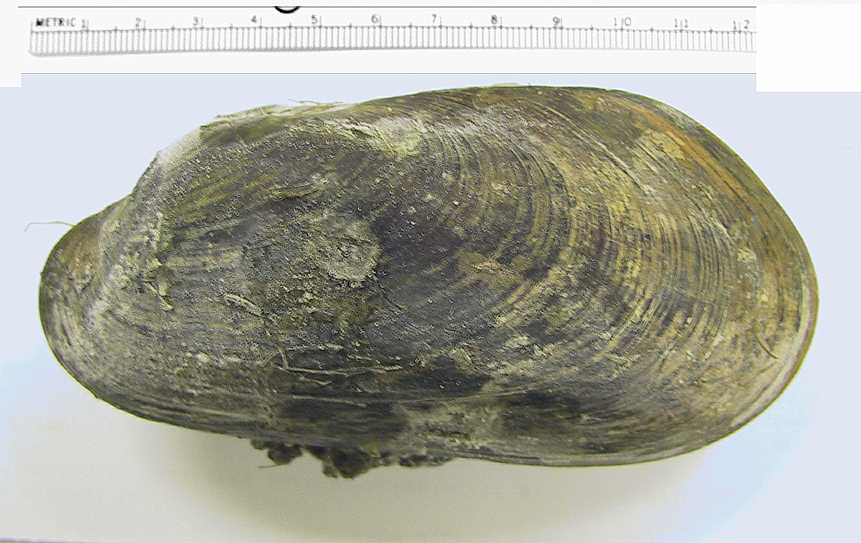
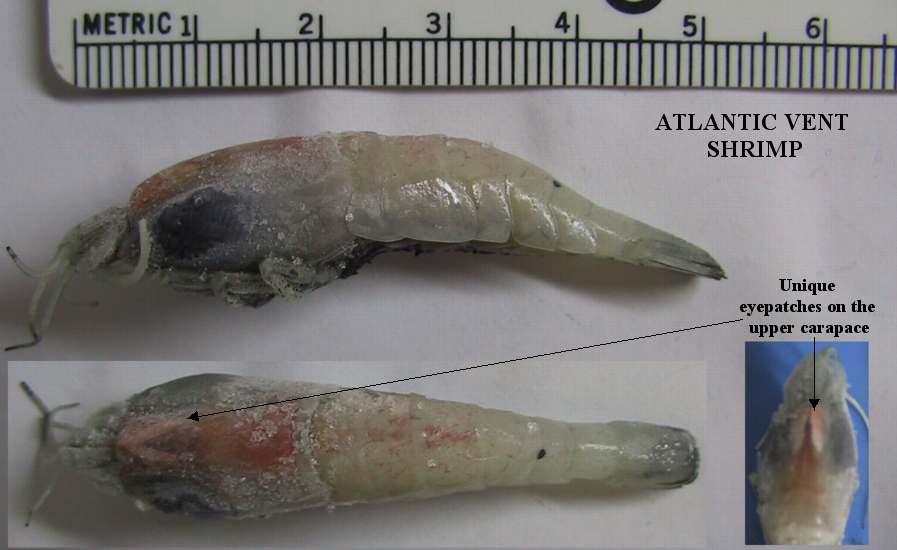
Bathymodiolus mussel from the Mid-Atlantic Ridge (provided by Cindy Van Dover). These have bacterial symbionts in their gills. | Rimicaris shrimp from the Mid-Atlantic Ridge (provided by Cindy Van Dover). These unique animals swim in and out of hot vents, have no eyestalks, but have unique eyepatches on their backs. Dr. Van Dover hypothesizes that these sense faint light (either infrared or from chemiluminescent reactions) from the vents. |
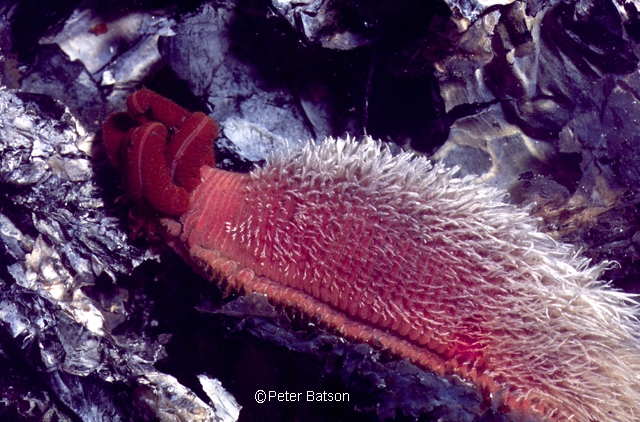
The most "famous" animals of the hydrothermal vents are the
giant Riftia tubeworms (vestimentiferans;
Siboglinid family of polychaetes). They are up to 2 m (6 feet) long! They
have no guts, and live off their symbionts (see SEEP
TUBEWORM for more on this process). For better pictures and a video, see U. Delaware Tubeworm site and Peter Batson's photos below. |
| C. PETER BATSON'S PHOTOS |
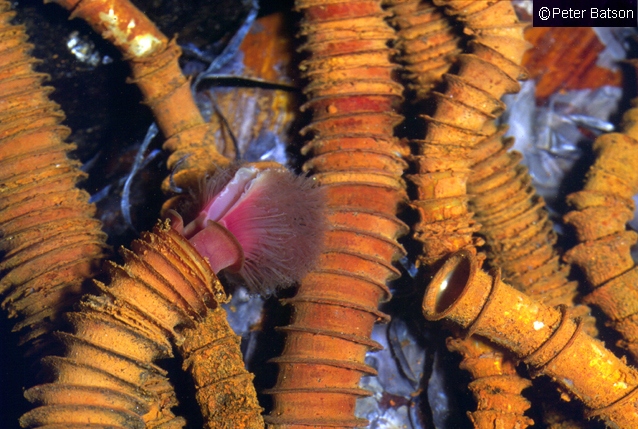
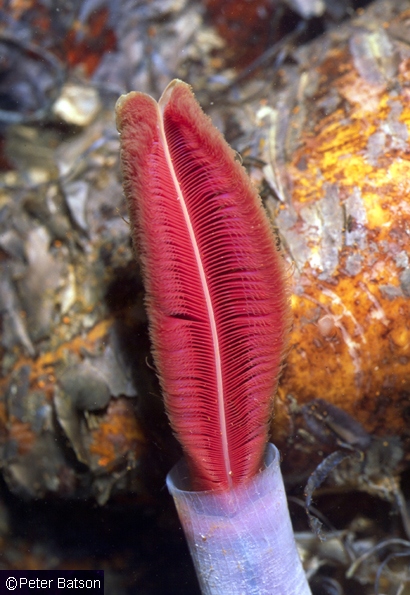
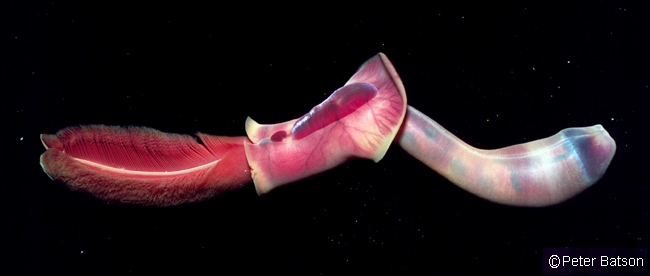
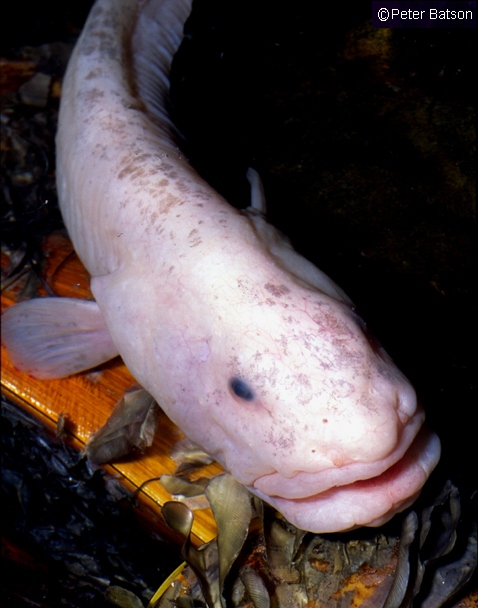
| BELOW are copyrighted photos courtesy of PETER BATSON, author of Deep New Zealand - Blue Water, Black Abyss. Please contact him for permission at his website, ExploreTheAbyss. See MIDWATER page for more of his photos. | |||||||
 |
 |
 |
 |
 |
 |
 |
 |
|
Alvinella, a polychaete tubeworm that may be
able to live in water of 50C or higher. |
Tevnia, a small vestimentiferan tubeworm often
found with Riftia. |
A plume of Riftia (see description of these tubeworms
under my photo, above right) |
A Riftia body out of its tube |
Brittle stars, limpets at a vent |
Thermarces fish at a vent |
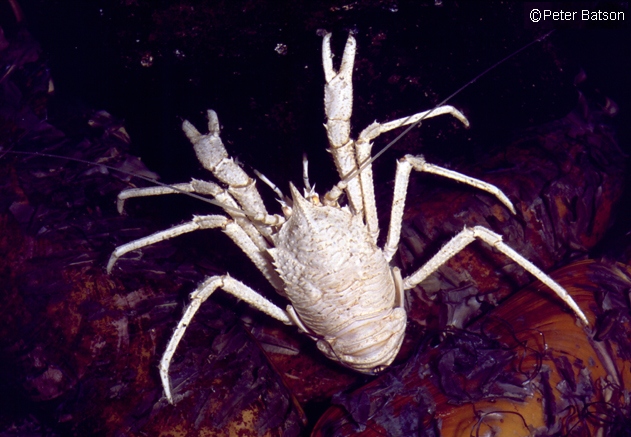
Munidopsis galatheid crab |
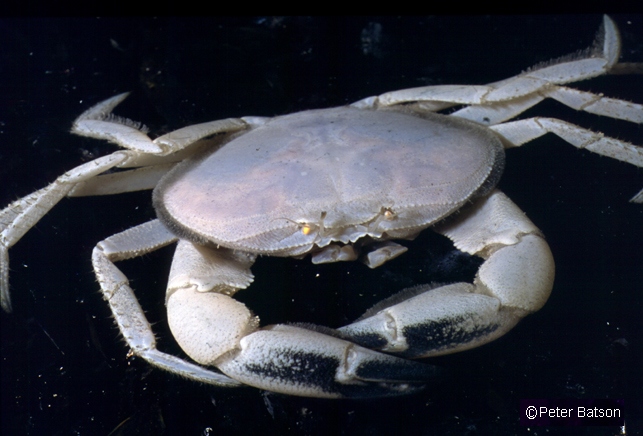
Bythograea crab at a vent |